Male vs Female Orchid Mantis: How to Tell Them Apart
Introduction
The orchid mantis male vs female difference is extreme because these insects show significant sexual dimorphism. Females grow to be roughly three times larger than their male counterparts. Understanding these physical gaps is essential for anyone keeping them at home.
You need to identify the sex of your mantis to manage its breeding potential and feeding requirements. A mature female typically reaches a length of 60 millimeters. Males stay much smaller and live for a shorter time. If you mix the sexes without planning, you might accidentally lose a male to the female’s predatory instincts.
This guide covers the key visual traits you should look for during each growth stage. We will explore how to spot these differences using size, wing development, and abdominal segments. Learning these details ensures your pets receive the right care for their specific needs while protecting your investment in this unique species.
Size and Growth
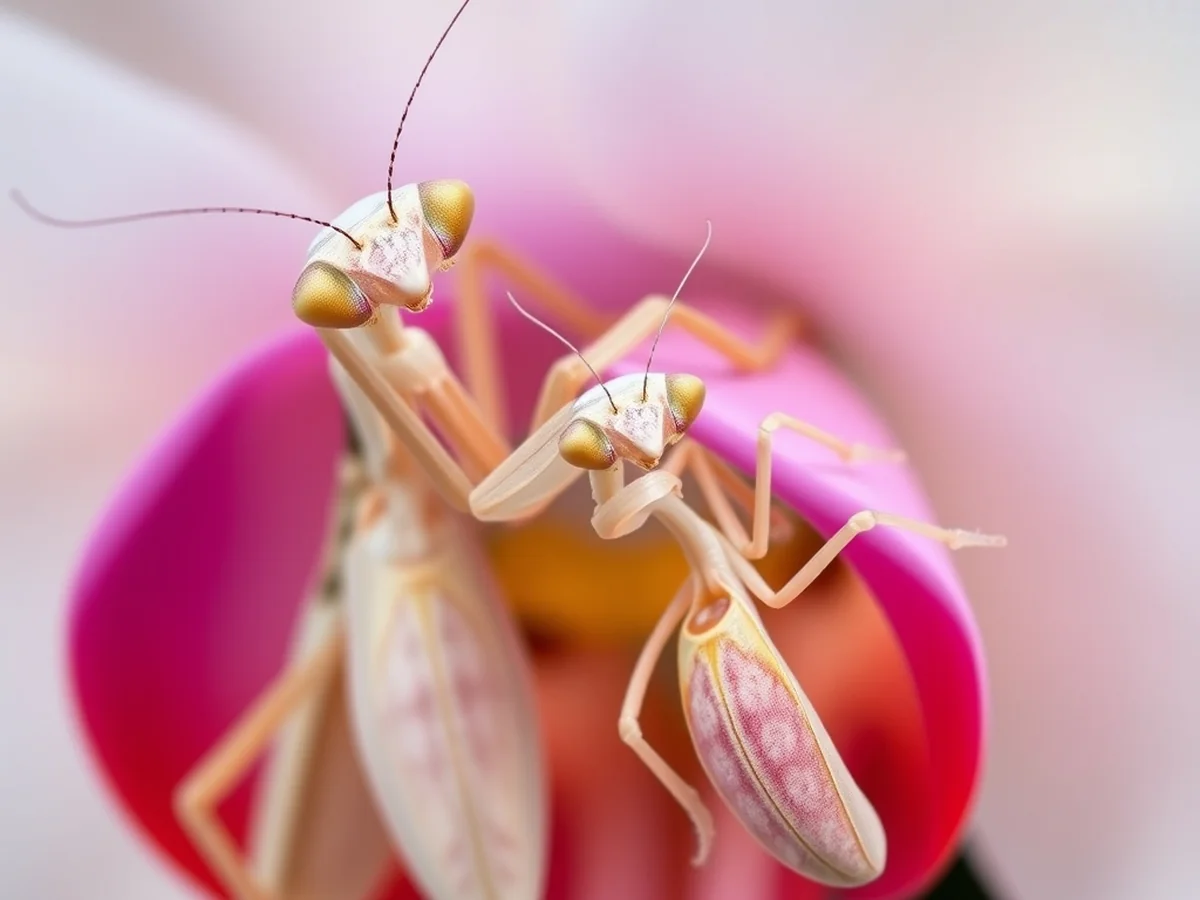
You can easily spot the difference in the orchid mantis male vs female by looking at their physical scale. Females are much bulkier and grow to a greater length than their male counterparts. This size gap is one of the most reliable ways to identify the sex of your mantis as it nears adulthood.
A healthy female reaches an average length of 6cm once she is fully grown. She possesses a thicker abdomen and a wider thorax, which gives her a sturdy appearance. Because of this extra mass, she requires more food and space within her enclosure to thrive.
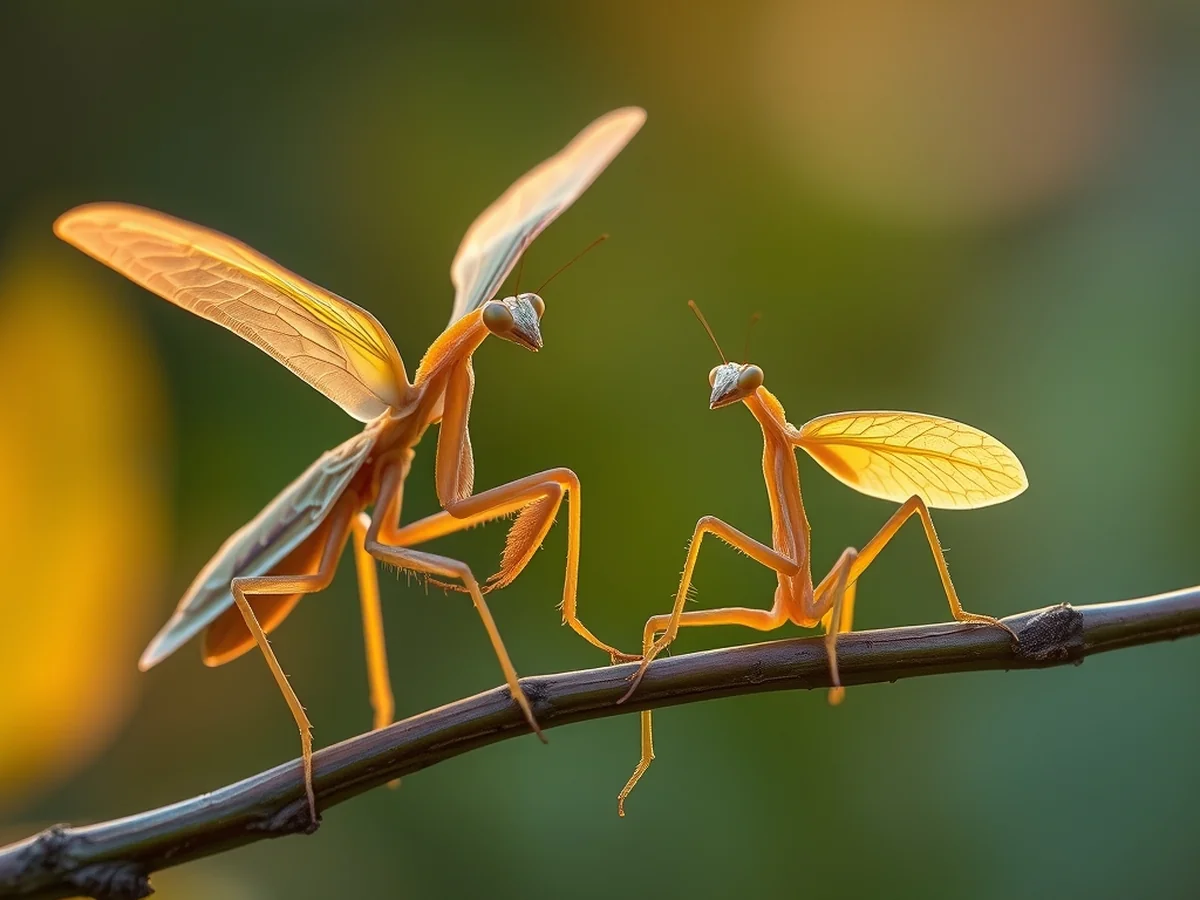
In contrast, males stay small and slender throughout their lives. An adult male typically measures only 3cm in length. His body remains light and agile, which helps him fly long distances when searching for a mate. If you see a tiny mantis that has already developed wings while his siblings are still growing, he is almost certainly a male.
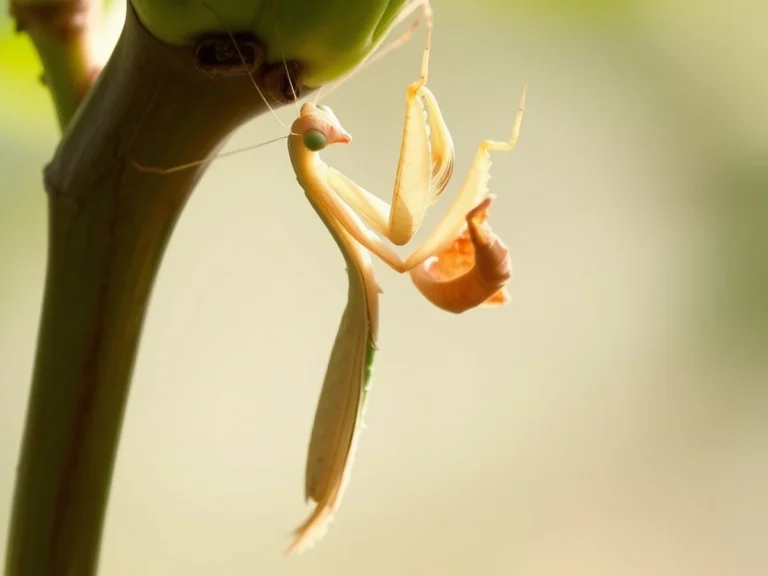
This dramatic difference becomes noticeable during the final molting stages. While the female keeps adding size with each shed, the male reaches his mature size much faster. Once he completes his final molt, he stops growing entirely. Keep this growth rate in mind when setting up your habitat, as the smaller males have very different spatial needs compared to the heavy, larger females.
Abdominal Segment Count
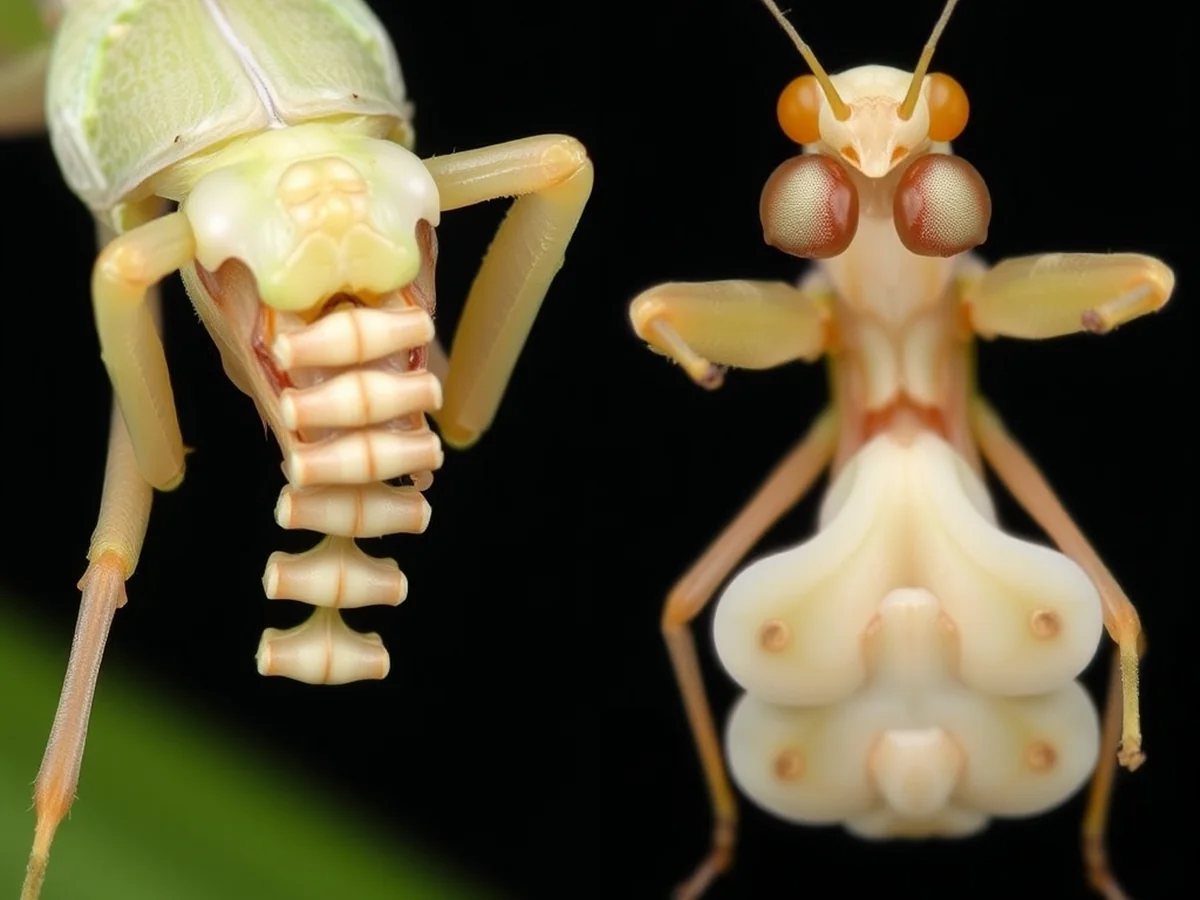
server se jawab nahi mila
Antennae Length
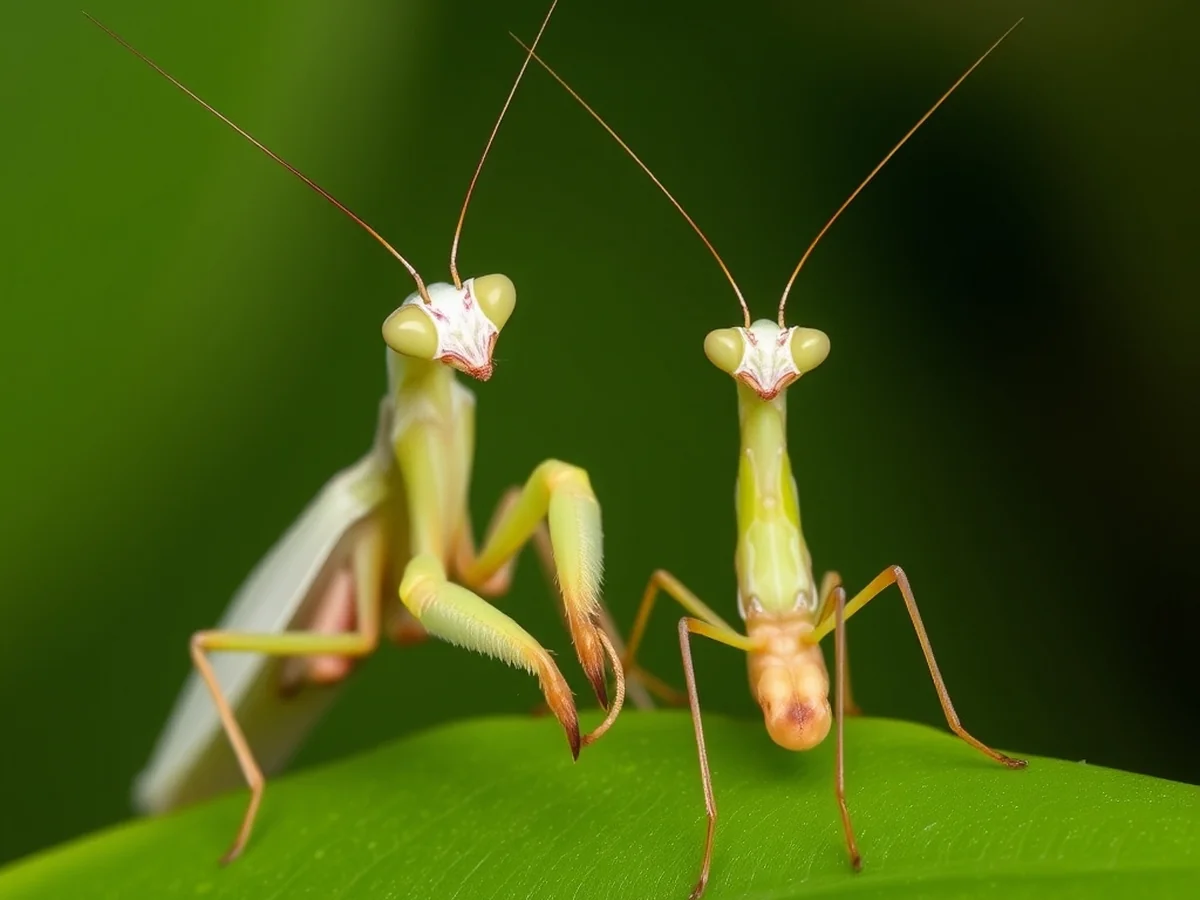
You can identify the sex of your insect by looking closely at its antennae. When comparing an orchid mantis male vs female, the length of these structures relative to the head size is the most reliable visual marker.
Males feature remarkably long antennae that often reach or exceed the length of their entire body. These thin, threadlike sensory organs are essential for survival in the wild. A male uses them to detect female pheromones drifting through the air from long distances. By waving these sensitive receptors, he tracks the chemical trail left by a potential mate.
In contrast, the female has significantly shorter and thinner antennae. They usually measure only about 10 millimeters in length. Because she does not need to hunt for mates, her antennae serve more for basic environmental awareness rather than long-range tracking. This difference becomes very obvious once the insect reaches its final molt.
I find it easiest to observe this trait by viewing the insect from a side profile. If you see two long, prominent stalks extending from the head, you are likely looking at a male. If the antennae appear short and barely extend past the front of the head, the specimen is female. Keep in mind that young nymphs often have similar features. You should wait until the insect is a sub-adult to rely on this physical trait for an accurate sex determination.
Visual Sex Differences
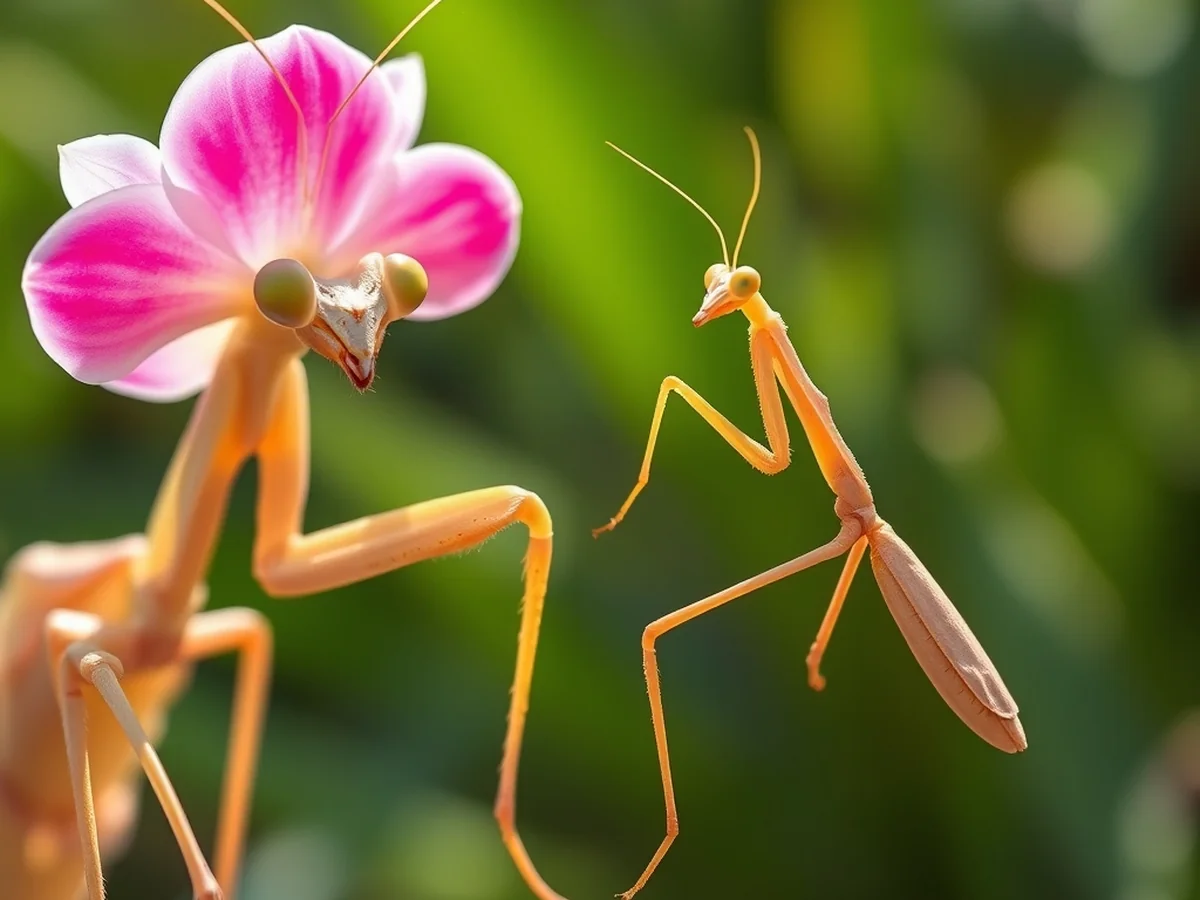
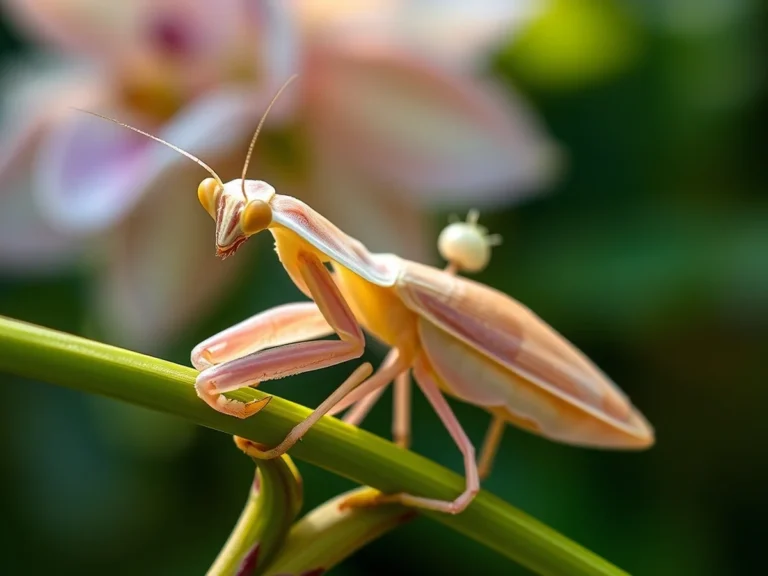
You can identify the sex of these insects by looking at their size and color patterns. When comparing an orchid mantis male vs female, the most obvious difference is the body structure. Females grow much larger than their counterparts. They often reach a total length of about 60 millimeters as fully grown adults.
Females keep a very convincing flower-like shape throughout their lives. Their legs feature wide, petal-shaped lobes that help them blend into blossoms perfectly. This camouflage is essential for hunting prey. They maintain these bright white and pink colors long after their final molt.
Males display a different set of traits as they mature. They stay quite small, usually measuring only 25 millimeters in length. While they start life with similar colors, they often lose their vibrant pink hues as they reach adulthood. Their bodies shift toward a duller, brownish tone over time.
- Females possess thick, leaf-like appendages on all four walking legs.
- Males have a much slimmer frame that looks more like a twig.
- Adult males often show reduced color intensity compared to younger stages.
This color shift in males makes them less effective at hiding among petals. They become more mobile and spend less time sitting still on flowers. If you see a tiny, brown-tinged mantis with long wings, you are likely looking at a mature male. The sexual dimorphism is so extreme that you might mistake them for two different species entirely.
Life Span Differences
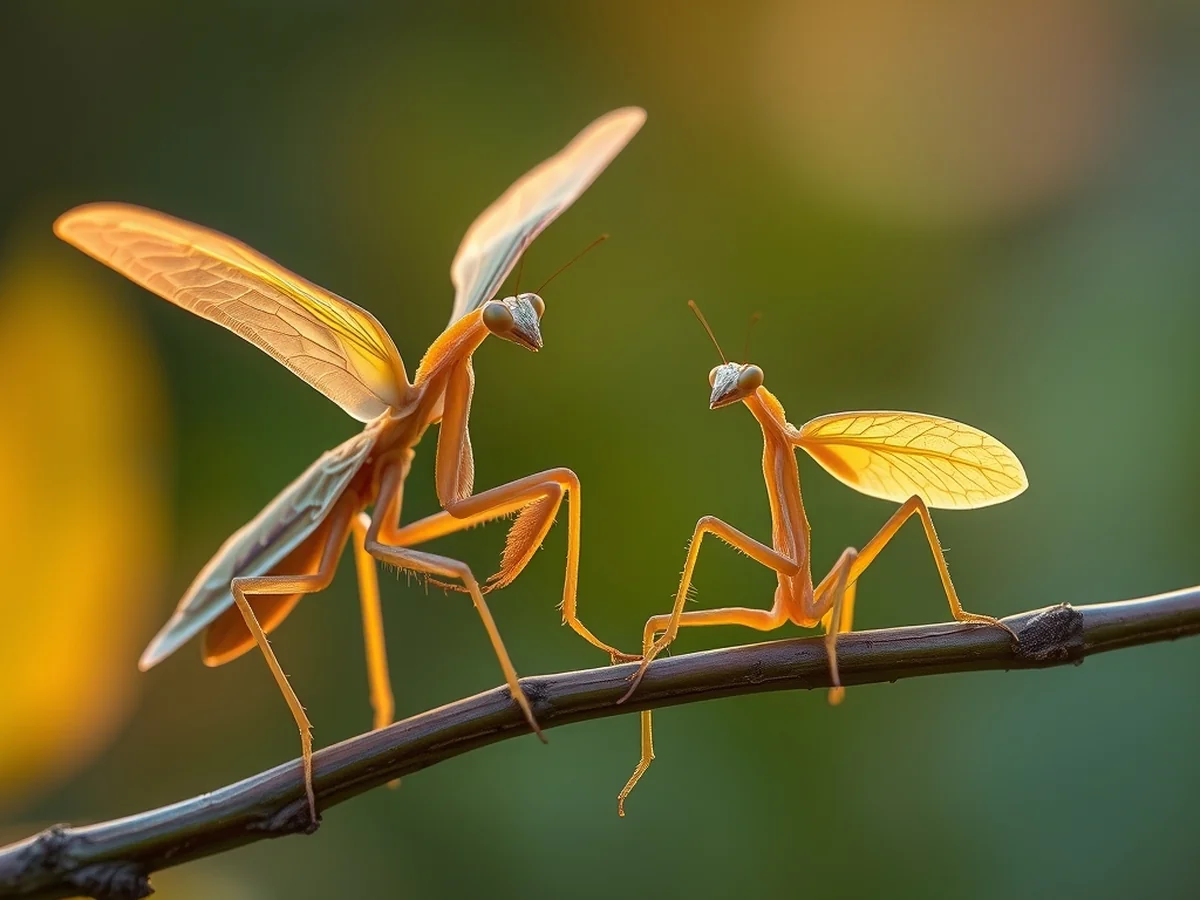
You will notice a stark contrast when comparing the orchid mantis male vs female life cycle. Males develop much faster than their female counterparts. A male typically reaches his final adult stage in about 4 to 5 months from the time he hatches.
This rapid growth is a biological strategy. Males stay small and light to remain agile for flight. They need to be ready to seek out a mate as soon as they reach maturity. Because they burn energy quickly and spend most of their adult life searching for a partner, their time as an adult is quite brief.
In my experience, males usually live for only 3 to 6 weeks once they reach adulthood. You might find your male mantis passing away shortly after he completes his final molt. It is a natural part of their short existence.
Females follow a different path. They grow slowly and invest significant energy into building a larger body size. This extra bulk allows them to produce more oothecae or egg cases. Because they do not need to fly or hunt for mates, they are much more sedentary. You can expect a healthy female to live for 8 to 12 months in total. This extended longevity makes them a longer commitment for any insect keeper. While the male focus is on a quick reproduction window, the female priority is on physical development and long-term survival.
Male Flight Patterns
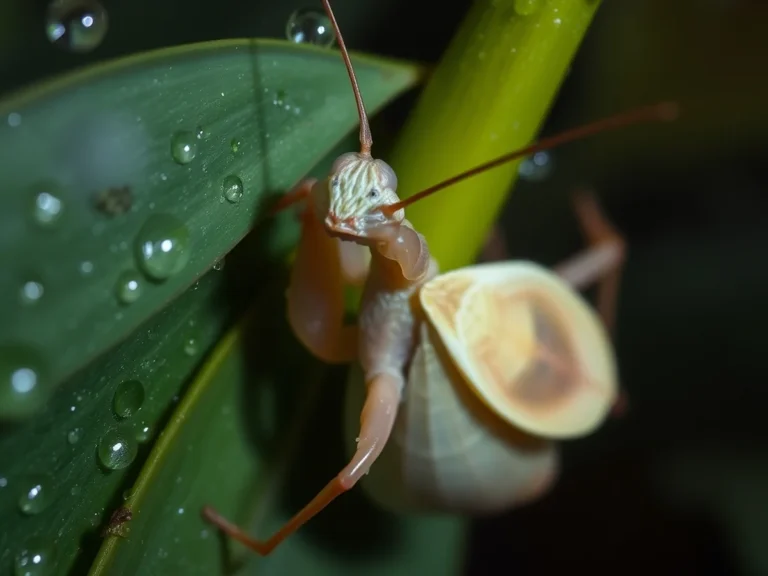
Male orchid mantises are built for travel. They possess functional, full-sized wings that allow them to fly long distances during the night. Their primary goal is finding a mate. You will often see them actively patrolling an area, moving from flower to flower in search of a partner. This high activity level is a key factor when observing orchid mantis male vs female behavioral traits. Because they are smaller, usually around 2.5 centimeters, they can glide and flutter with ease to avoid predators while searching.
Female Sedentary Habits
Female orchid mantises prefer to stay in one spot. They are much larger and heavier, which makes flight difficult or even impossible for them. Instead of hunting for mates, they adopt a sit-and-wait strategy. A female will anchor herself to a single petal or leaf for days at a time. She relies on her bright, flower-like appearance to attract unsuspecting insects directly to her. This sedentary hunting style is highly effective for her survival. She remains perfectly still, mimicking the shape and color of a blossom to lure prey within striking distance. In my experience, watching a female wait for a meal is like watching a statue come to life. She is energy-efficient and focused entirely on her next snack. While the males burn through their energy reserves by flying, the females conserve their strength by staying put until a pollinator lands within their reach.
Space Requirements
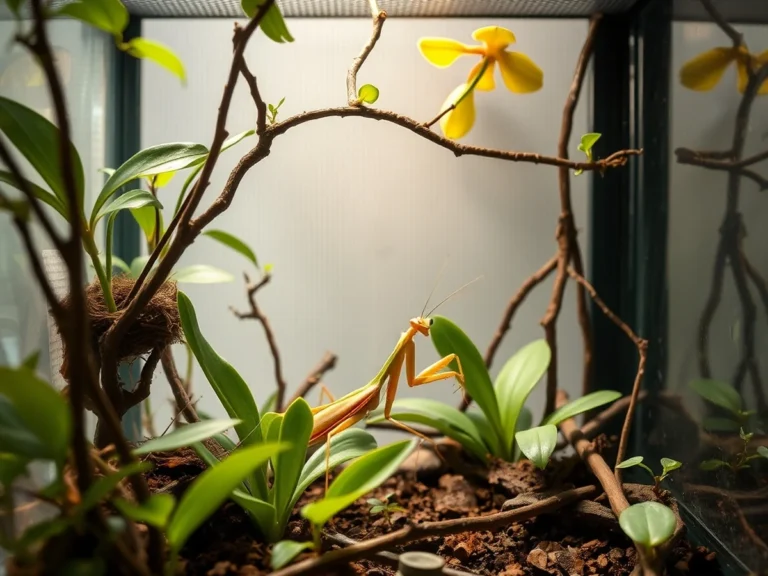
Female orchid mantis specimens grow much larger than their male counterparts. Because of this size difference, females require a bigger enclosure to move and molt safely. A 12-inch tall mesh cage is the minimum size for a healthy adult female. Males are much smaller and can live comfortably in a container half that size. If you keep a female in a space that is too small, she may struggle to hang properly during her final molt. This often leads to physical deformities or a shortened lifespan.
Shared Environment
Both sexes need the same warmth and moisture to thrive. You should maintain a temperature between 75 and 85 degrees Fahrenheit for all life stages. Humidity levels must stay around 60 to 80 percent to ensure proper hydration. You can achieve this by misting the enclosure lightly once every evening. When learning about orchid mantis male vs female care, remember that stagnant air is dangerous for both sexes. Use a well-ventilated enclosure to prevent mold growth and bacterial infections.
Habitat Maintenance
Clean the bottom of the enclosure at least once a week to remove waste. A buildup of frass or old food items can quickly lead to respiratory issues. Both sexes benefit from live plants or silk flowers inside their home. These provide necessary surfaces for climbing and natural camouflage. Always monitor your mantis closely during the molting process, regardless of their sex, to ensure they have enough room to hang upside down without obstruction.
FAQ
Mating age differences
A male orchid mantis cannot successfully mate with a female if their maturity cycles do not align. Males reach adulthood much faster than females, often in about 4 months. If the male is already an adult while the female is still a juvenile, he will likely pass away before she is ready to breed.
Sexing young nymphs
You can usually tell the difference between the sexes once they reach their third or fourth instar. At this stage, look closely at the size of the thoracic shield and the antennae. Identifying the orchid mantis male vs female early helps you separate them to manage their growth rates effectively.
Poor appetite in males
If your male specimen stops eating, he is likely approaching his final molt or reaching sexual maturity. Adult males focus almost entirely on finding a partner rather than consuming prey. This behavior is normal, but keep a shallow water dish nearby to ensure he stays hydrated during his final weeks.
Ideal breeding window
The best time to pair them is when the female has reached her final adult stage and has had at least 3 weeks to harden her exoskeleton. The male should be a fresh adult. Matching these timelines ensures the female is receptive and the male has enough energy to complete the process.
Keeping them separate
You must house them in separate enclosures until you are ready to breed. Females are significantly larger and may view a smaller male as a quick snack. Using a mesh enclosure with at least 12 inches of height provides enough space for them to thrive safely.
Conclusion
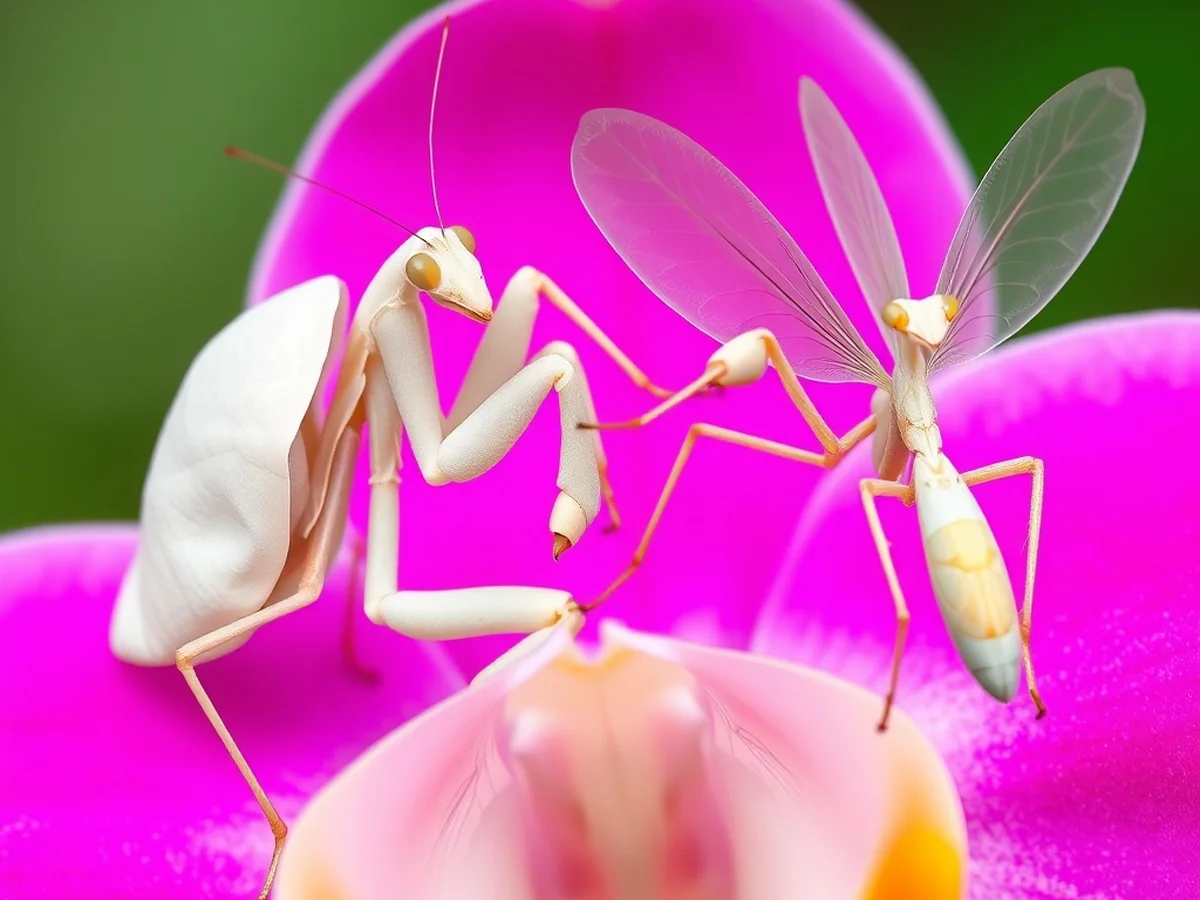
Identifying the orchid mantis male vs female depends on checking physical size and wing development. Females grow much larger and retain a rounded, floral appearance. Males stay slender and develop longer wings for flight.
You can tell them apart by looking at these primary traits:
- Females typically reach up to 6 centimeters in length.
- Males rarely exceed 2.5 centimeters when fully mature.
- The female pronotum is broad and shield-like.
- Male antennae are much thicker and longer than female antennae.
Watch your insects closely as they molt. A female will need a larger enclosure to support her heavy body during the shedding process. Males require less space but remain highly active once they reach their final adult stage.
Proper identification ensures you provide the right environment for their unique needs. I have found that keeping a simple magnifying glass nearby makes these small visual cues much easier to spot. If you notice the male has developed long wings, he will likely stop eating and focus entirely on finding a mate. Always provide adequate ventilation regardless of the sex you are housing. Paying attention to these subtle biological details helps you keep a healthy colony for the long term. Proper care starts with knowing exactly which stage and sex you are observing in your habitat.
For another perspective, this detailed piece on Male vs female orchid mantis : r/mantids is worth a read.
You might also like: Orchid Mantis Price Guide: What They Really Cost in 2026