Common Orchid Mantis Problems: Mismolts, Dehydration & More
Orchid Mantis Molting Problems
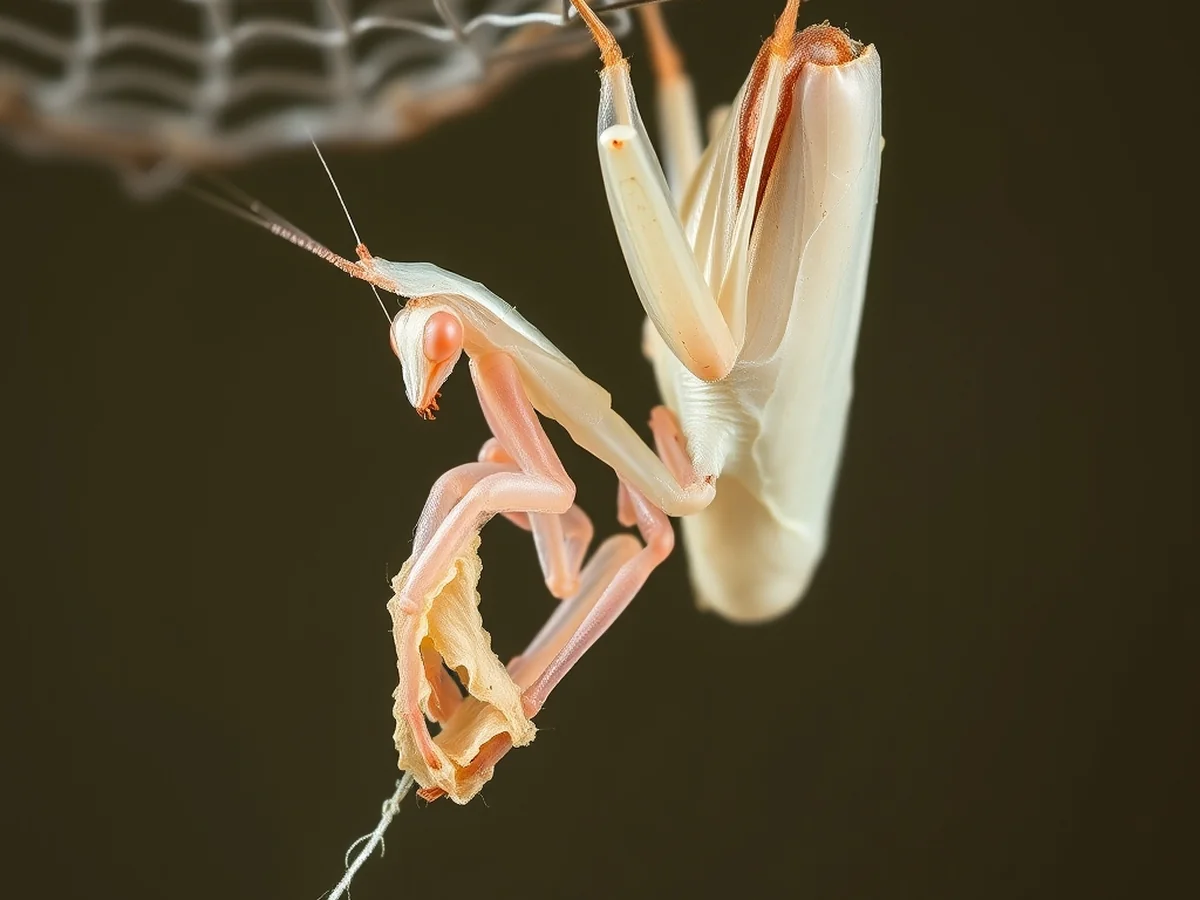
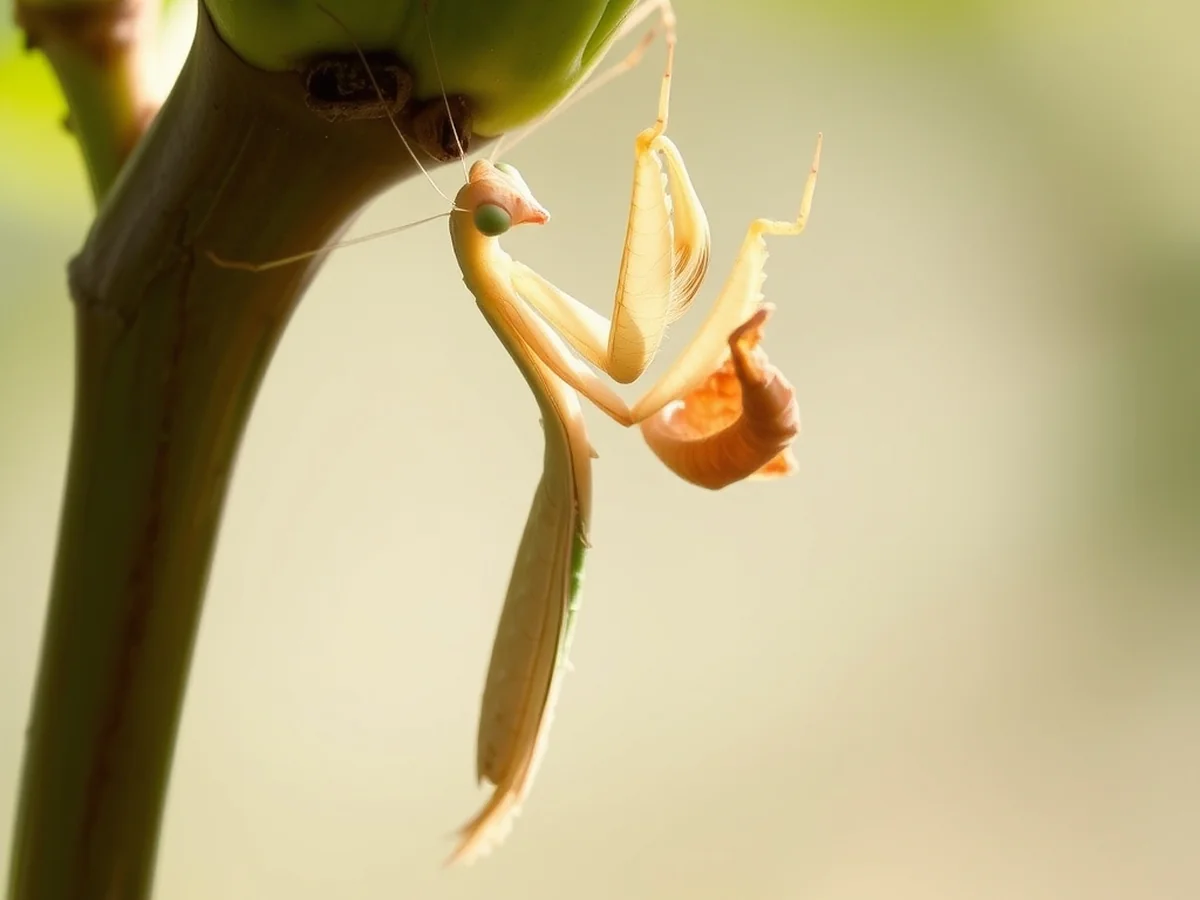
The ecdysis process is a high-risk phase for Hymenopus coronatus. During this cycle, your nymph sheds its old exoskeleton to grow. It must hang upside down from a mesh enclosure to emerge safely. If the environment is off, your pet faces orchid mantis common problems mismolt dehydration risks. Proper air flow is just as vital as moisture levels to keep the hemolymph moving correctly.
It is easy to confuse normal pre-molt behavior with illness. A healthy mantis nearing this stage often stops eating and stays still for 24 to 48 hours. This lethargy is natural energy conservation. In contrast, an ill mantis might show signs of dehydration such as a shriveled abdomen or a dull, dark coloration that persists even after misting. If your mantis remains active but refuses food, it is likely just waiting for the right moment to shed its skin.
You can monitor these changes by keeping a close eye on its posture. If the nymph hangs in a stiff, bent position for an extended time without shedding, it is preparing for the transition. Avoid moving the enclosure during this window. Sudden vibrations can startle the insect and lead to a fall. Use a reliable humidity gauge to track your habitat climate control, as even minor fluctuations can cause a stuck limb. Keep a small sprayer bottle with distilled water nearby to maintain the ambient moisture levels required for a smooth exit from the old shell.
- Ensure the enclosure top is made of mesh or soft fabric for easy gripping.
- Check that ventilation holes are not blocked by decor or debris.
- Maintain consistent moisture without soaking the floor of the cage.
Signs of Dehydration
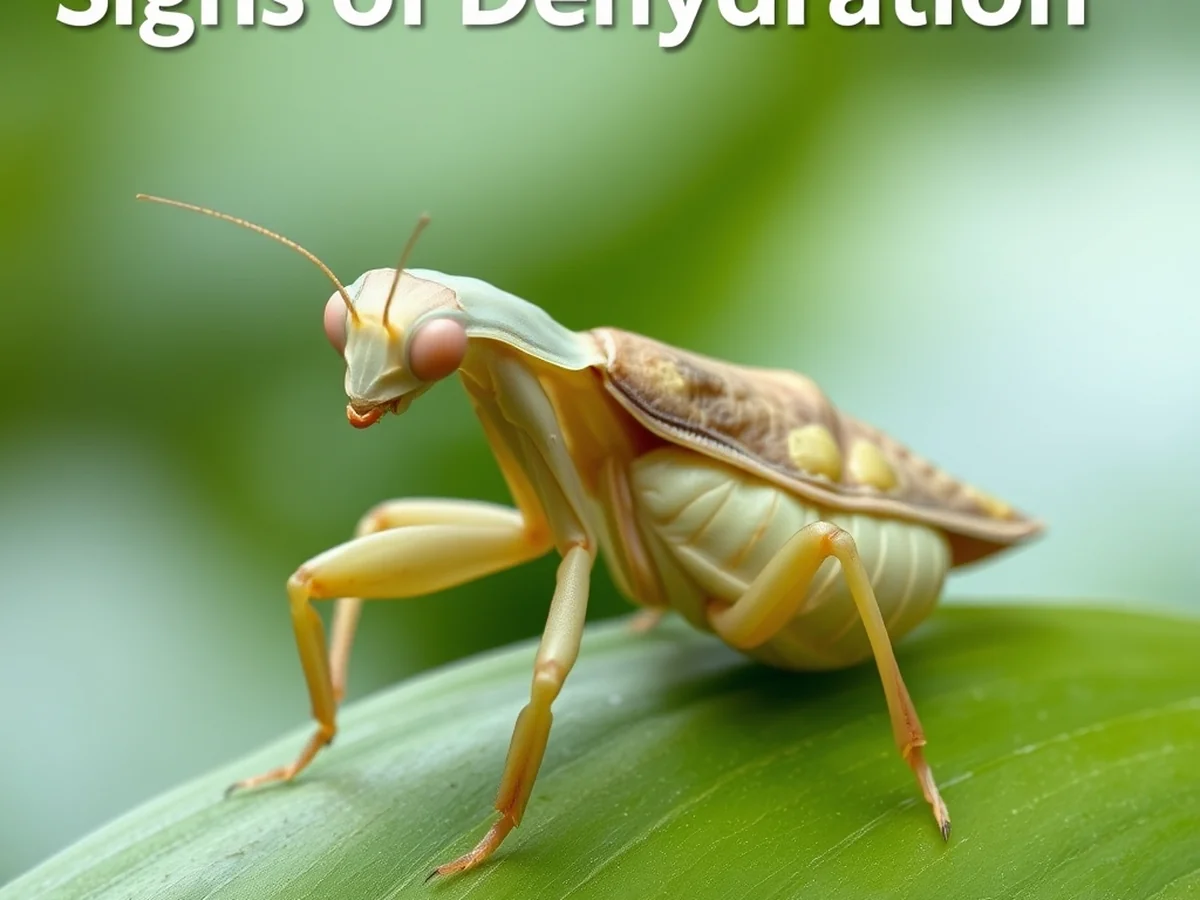
You can identify early signs of dehydration in orchid mantis by looking closely at the abdomen. A healthy nymph should have a plump, rounded body. If the abdomen appears shriveled, thin, or wrinkled, your mantis is likely not getting enough moisture. This is one of the most serious orchid mantis common problems mismolt dehydration can trigger.
The exoskeleton relies on internal fluid pressure to function correctly. This pressure, provided by hemolymph, is essential for the insect to push out of its old skin during the molting stage. When your pet lacks water, it cannot generate the force needed to shed properly. This often leads to a stuck limb or a fatal injury during ecdysis.
Using the wrong water source is a frequent mistake in hobbyist care. Always use distilled water for your misting routine. Tap water often contains chlorine or minerals that can build up on the mesh enclosure and harm delicate respiratory systems. You should aim for a light misting session every morning to keep humidity levels within the ideal range of 60 to 80 percent.
- Check the abdomen daily for a sunken or concave shape.
- Use a fine-mist sprayer bottle to ensure droplets are small enough to drink.
- Invest in a digital humidity gauge to keep track of moisture levels.
- Keep the enclosure well-ventilated to prevent stagnant air.
Proper hydration management is a daily commitment. If you notice your mantis acting lethargic or refusing food, check its water intake first. Maintaining consistent moisture helps the insect prepare for its next growth phase. A 10-ounce sprayer bottle is usually enough to maintain the right environment for a single nymph.
Preventing Dehydration and Mismolts
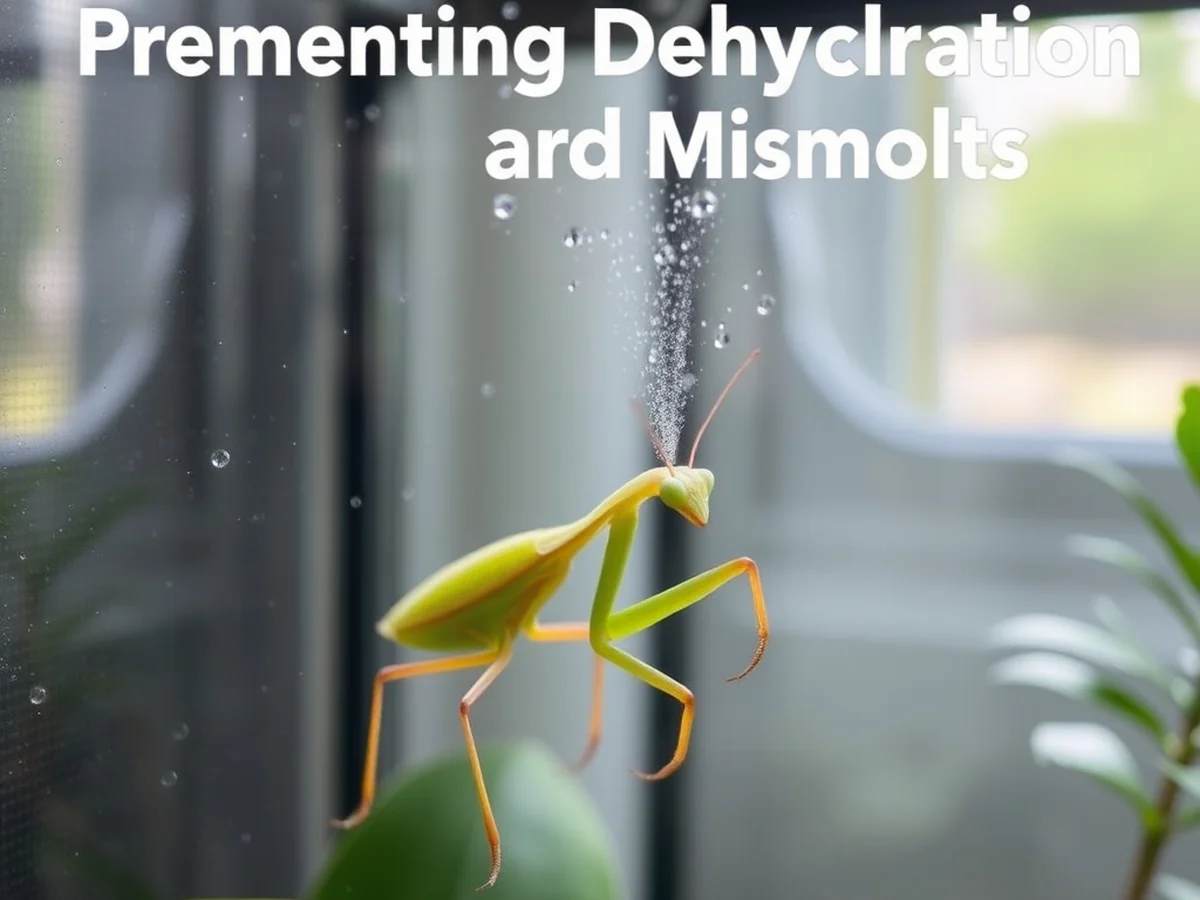
Keeping Hymenopus coronatus healthy requires a precise balance between moisture and fresh air. Orchid mantis common problems mismolt dehydration often stem from poor ventilation. You need high humidity for successful ecdysis, but stagnant air is dangerous.
Stagnant conditions trap bacteria and fungal spores inside the enclosure. This quickly leads to respiratory infections and skin rot. If your enclosure lacks proper airflow, your mantis will struggle to breathe. It also creates a breeding ground for mold that can compromise the delicate exoskeleton during the molting stage.
To maintain the right environment, use a mesh enclosure rather than a solid plastic tub. This design allows air to circulate freely while you manage internal moisture. Use a humidity gauge to keep levels between 60 and 80 percent. If the air feels heavy or smells musty, increase the ventilation immediately.
I recommend using a fine-mist sprayer bottle with distilled water once a day. Avoid soaking the substrate. Instead, aim for light droplets on the side of the mesh. This provides enough surface moisture for your nymph to drink without saturating the habitat.
- Watch the abdomen for signs of dehydration. A thin or shriveled look indicates you need more hydration.
- Ensure the habitat has at least 2 inches of clear floor space for the mantis to hang safely.
- Check that your mantis is not hanging near wet surfaces that could cause limb adhesion.
Proper hydration management prevents the hemolymph from thickening. When your mantis stays hydrated and the air stays fresh, the risk of molting complications drops significantly. Monitor your pet closely as it reaches each new L-instar.
Avoiding Mismolts During Molting
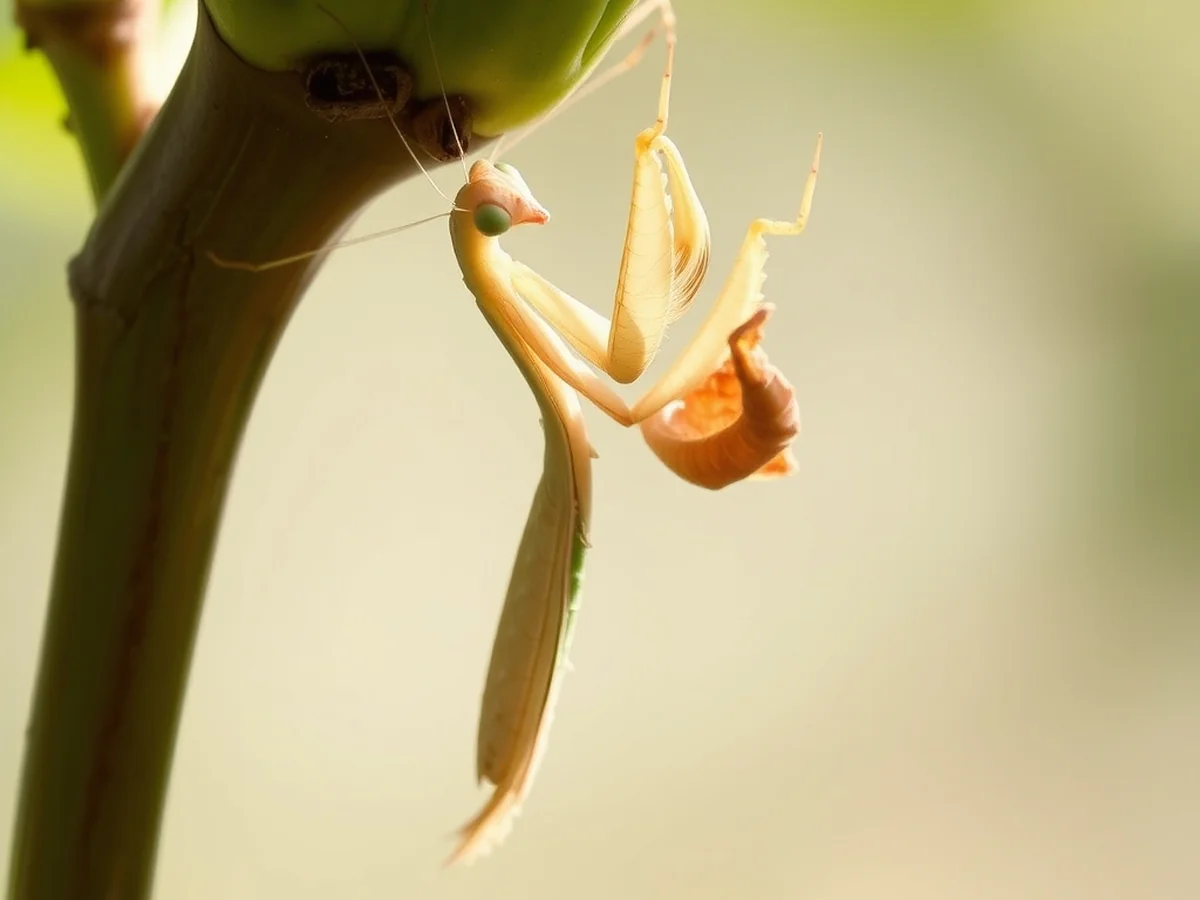
Your Hymenopus coronatus needs specific environmental conditions to shed its exoskeleton safely. Preventing orchid mantis common problems mismolt dehydration starts with recognizing the signs that your nymph is entering its ecdysis process.
Watch for the classic hanging position where your mantis suspends itself upside down from the mesh enclosure. It will remain motionless for hours. Do not confuse this with lethargy caused by illness. A mantis preparing for its next instar will stop eating and its abdomen may appear slightly swollen or shiny.
Before the shed begins, look for these physical changes in the exoskeleton:
- The old skin appears dull or slightly milky in color.
- The eyes turn a dark, opaque shade instead of their normal bright hue.
- The mantis becomes unresponsive to movement or prey items.
Proper humidity management is vital during this stage. Use a sprayer bottle filled with distilled water to maintain moisture levels, but ensure you have excellent ventilation to prevent stagnant air. A humidity gauge is a smart investment, usually costing around $10, to help you track levels accurately. Aim for a balance that keeps the air moist enough to soften the old shell without creating a swampy environment.
If you notice your mantis hanging for more than 24 hours without starting the process, check the ambient temperature and airflow. Excessive heat can cause rapid water loss and trigger signs of dehydration in orchid mantis, which makes the skin hard and brittle. Keeping the habitat stable prevents these common molting complications. When the mantis starts to emerge, leave it completely alone. Any disruption while it exits its old skin can lead to permanent damage or death.
Emergency Mismolt Checklist
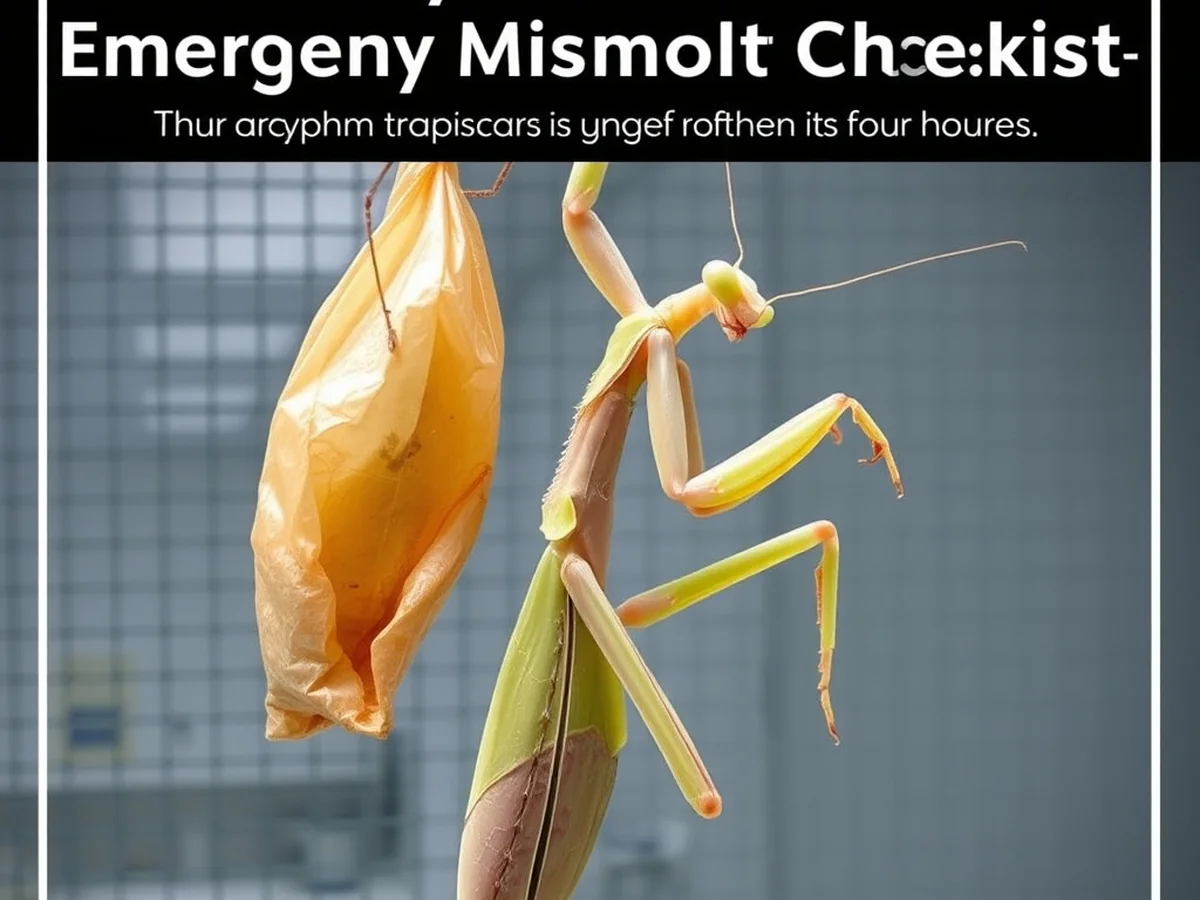
When you spot a stuck nymph, act fast. Time is critical for orchid mantis common problems mismolt dehydration recovery. First, confirm the insect is truly stuck and not just resting during its ecdysis process.
If the nymph hangs at an odd angle for over 4 hours, intervention might be necessary. Avoid touching the soft new exoskeleton, as it is fragile and easily damaged. Your hands contain oils that can harm the mantis.
- Increase ambient moisture immediately by misting the air near the enclosure. Use a sprayer bottle filled with distilled water to raise the local humidity without soaking the insect directly.
- Ensure the enclosure has proper ventilation. Stagnant air often causes these issues. If the mesh enclosure is dry, gently mist the sides but keep the floor clear to prevent mold.
- Check the abdomen for signs of shriveling. This indicates the mantis needs more hydration to push hemolymph through its limbs.
- Use a soft, damp paintbrush to gently nudge a stuck limb only if it is clearly caught on cage decor. Do not pull. If the limb is bent, let the insect try to fix it naturally first.
Never move a mantis that is actively shedding. You could cause a fatal fall. If a limb is fully deformed after the process, your mantis may still survive to the next L-instar. Monitor it closely for feeding ability. A healthy nymph needs about 70 percent humidity to thrive, but keep a humidity gauge inside to ensure you stay within safe ranges. If you see white crusting on the old skin, dehydration is the likely culprit.
Assisting Stuck Limbs
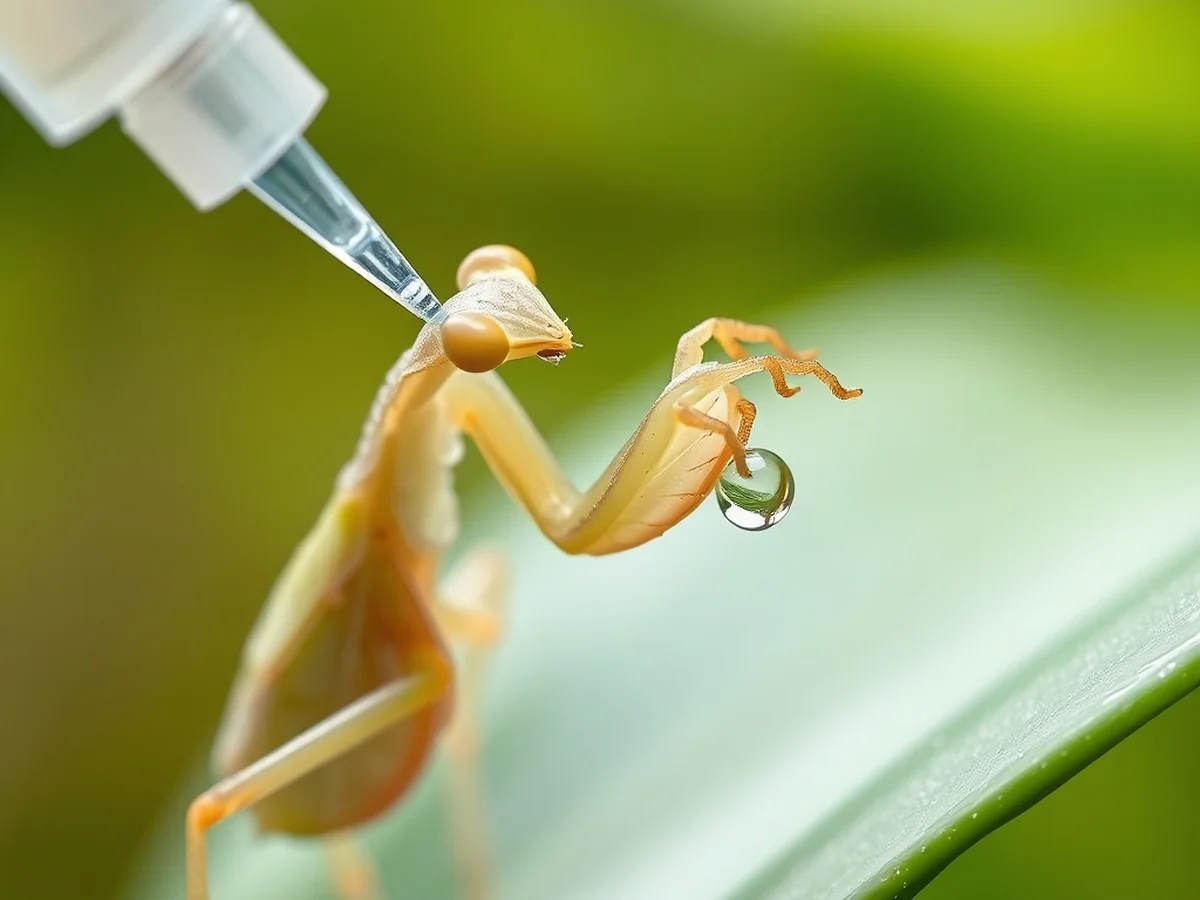
When you notice your Hymenopus coronatus struggling to shed its exoskeleton, high humidity is your best tool to prevent permanent damage. If a limb remains trapped, gently increase the moisture levels in the enclosure to soften the old skin. You can do this by using a fine mist sprayer bottle filled with distilled water around the immediate area. Do not spray the mantis directly, as this can startle them and cause a fall.
Many orchid mantis common problems mismolt dehydration cases stem from a lack of ambient moisture during the ecdysis process. A simple trick is to place a damp paper towel near the bottom of the mesh enclosure. This raises the relative humidity without soaking the substrate or blocking essential airflow. Aim for a humidity spike of about 80 percent to help the nymph slide out of the old shell.
Avoid the urge to pull or tug on the trapped limb. Manual intervention is extremely risky because the hemolymph is still circulating and the new tissue is incredibly soft. If you pull too hard, you might cause irreversible trauma or tear the leg off completely. Even a small mistake during this delicate stage can lead to a fatal injury.
If the mantis remains stuck after several hours, it is often best to leave it alone unless the animal is clearly exhausted. Your goal is to create a stable environment that allows the mantis to finish the molt on its own. Watch the abdomen for signs of stress, but keep your hands away to ensure you do not cause further harm to the vulnerable insect.
FAQ
Does instar age change molting help?
Yes, younger nymphs are more delicate and recover faster than older specimens. When addressing orchid mantis common problems mismolt dehydration, handle L1 to L3 nymphs with extreme care because their exoskeleton is paper-thin. Older mantises have more rigid structures and may struggle more if a limb becomes trapped.
How do I spot dehydration before molting?
Look at the abdomen for signs of shrinking or a sunken appearance. A healthy nymph should have a plump, rounded belly before starting the ecdysis process. If you notice this, gently use a sprayer bottle with distilled water to increase ambient moisture.
What if my mantis is stuck halfway?
If the mantis is physically trapped in its old skin, you can try to offer high humidity in a mesh enclosure. Do not attempt manual surgery yourself unless you have specific experience. Most attempts to pull the limb free result in permanent damage or death.
When is a mantis too far gone?
A mantis is likely past the point of recovery if its body is bent at an unnatural angle for more than 24 hours. If the hemolymph has leaked or the limbs are dried and black, the damage is usually irreversible. At this point, the mantis will stop reacting to movement and cannot feed.
How to balance humidity and airflow?
Use a humidity gauge to keep levels between 60 and 80 percent during the molting stage. Ensure your enclosure has plenty of cross-ventilation, as stagnant air causes mold and respiratory issues. Aim for at least 4 inches of mesh space to allow for proper air exchange.
For another perspective, this detailed piece on Orchid mantis recovers from mismolt with damaged front … is worth a read.
Mantis Care Basics
Keeping your Hymenopus coronatus healthy requires a consistent routine to avoid orchid mantis common problems mismolt dehydration. You must balance moisture and airflow to ensure your nymph develops a strong exoskeleton.
A simple daily check is the best way to prevent issues. Look at the abdomen of your mantis each morning. If it looks shriveled or the creature is lethargic, it may need more water. Always use distilled water in your sprayer bottle to avoid chemical buildup.
Proper habitat maintenance focuses on three main areas:
- Keep a humidity gauge inside the mesh enclosure to track levels accurately.
- Ensure the ventilation is sufficient to dry out the space between mistings.
- Provide a dedicated hanging spot near the top of the cage for the molting stage.
Monitoring the molting stage is vital for your success. Look for signs like refusal to eat or a darkened color, which often indicate your mantis is preparing for ecdysis. If you notice the mantis hanging upside down for long periods, do not disturb it.
I suggest keeping a small logbook. Note the date of the last shed and the current L-instar of your pet. This helps you predict when the next change occurs. Consistent observation allows you to spot trouble before it becomes fatal. If the humidity stays too low for more than 24 hours, the risk of a trapped limb increases significantly.
Focusing on proactive habitat management keeps your mantis strong. By maintaining a clean environment and watching for subtle behavioral changes, you provide the best possible care for your pet. Stay vigilant and keep the air fresh.
You might also like: Where to Buy an Orchid Mantis Safely (and What to Check First)