Orchid Mantis Lifespan: How Long Do They Live?
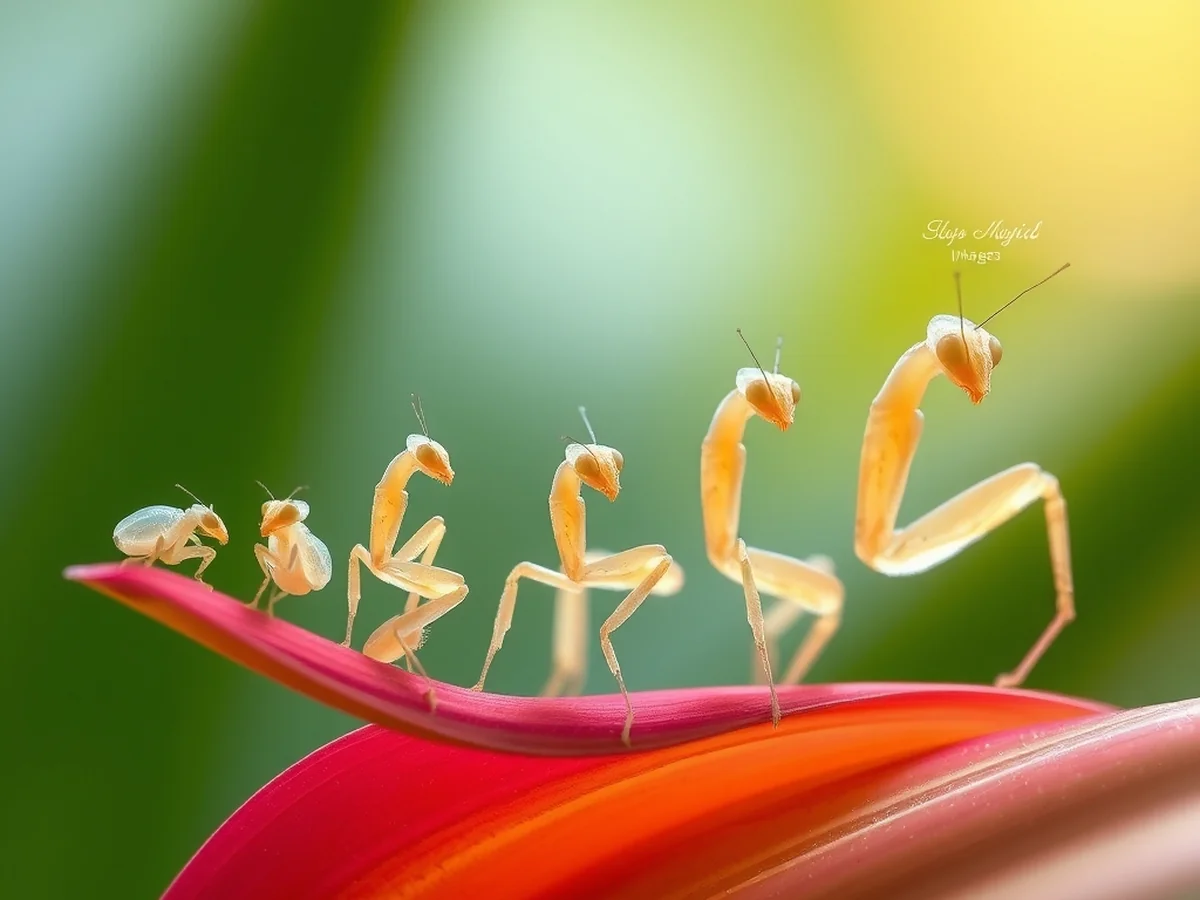
Orchid Mantis Life Stages
server se jawab nahi mila
Sex Differences
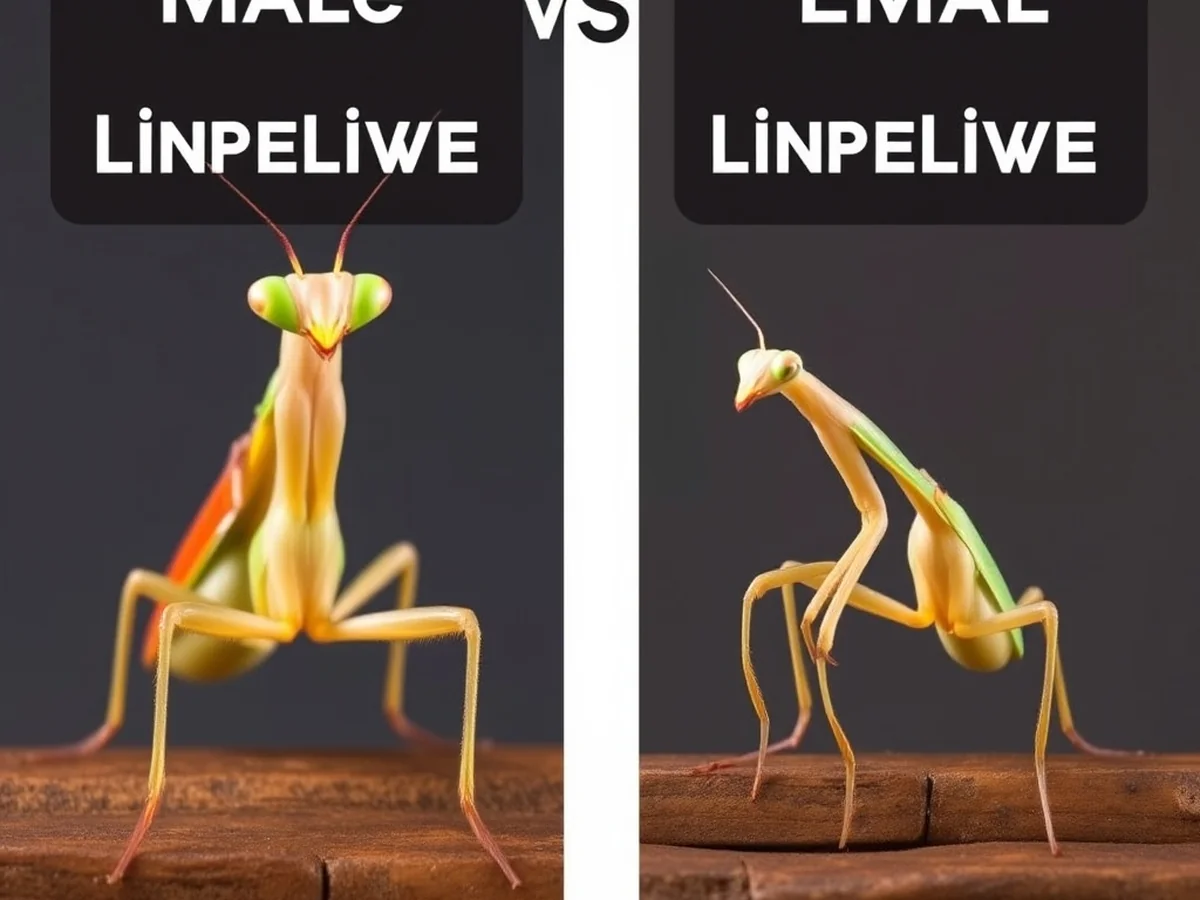
The most significant factor influencing an orchid mantis lifespan is the biological sex of the insect. Female Hymenopus coronatus are much larger than males and require more time to complete their metamorphosis. While a female might live for eight months or longer, a male often dies within three to four months. This gap occurs because males reach sexual maturity faster, triggering their natural decline much earlier than their female counterparts.
Growth and Metabolism
Males grow at a rapid pace and undergo fewer molting stages than females. Because their metabolic rate is higher, they burn through their energy reserves quickly to reach adulthood and search for a mate. You can influence the Hymenopus coronatus life expectancy by managing their environment carefully. Keeping your terrarium at a slightly lower temperature, around 72 degrees Fahrenheit, helps slow their metabolism. This simple step can sometimes add a few precious weeks to their adult phase.
Developmental Speed
Overfeeding your nymph will speed up their growth cycle and shorten their total time with you. If you provide a constant supply of crickets or fruit flies, the mantis will molt more frequently. Each molt represents a step toward the end of their life cycle. A balanced feeding schedule is better for long-term health than rapid growth.
Lifespan in Captivity
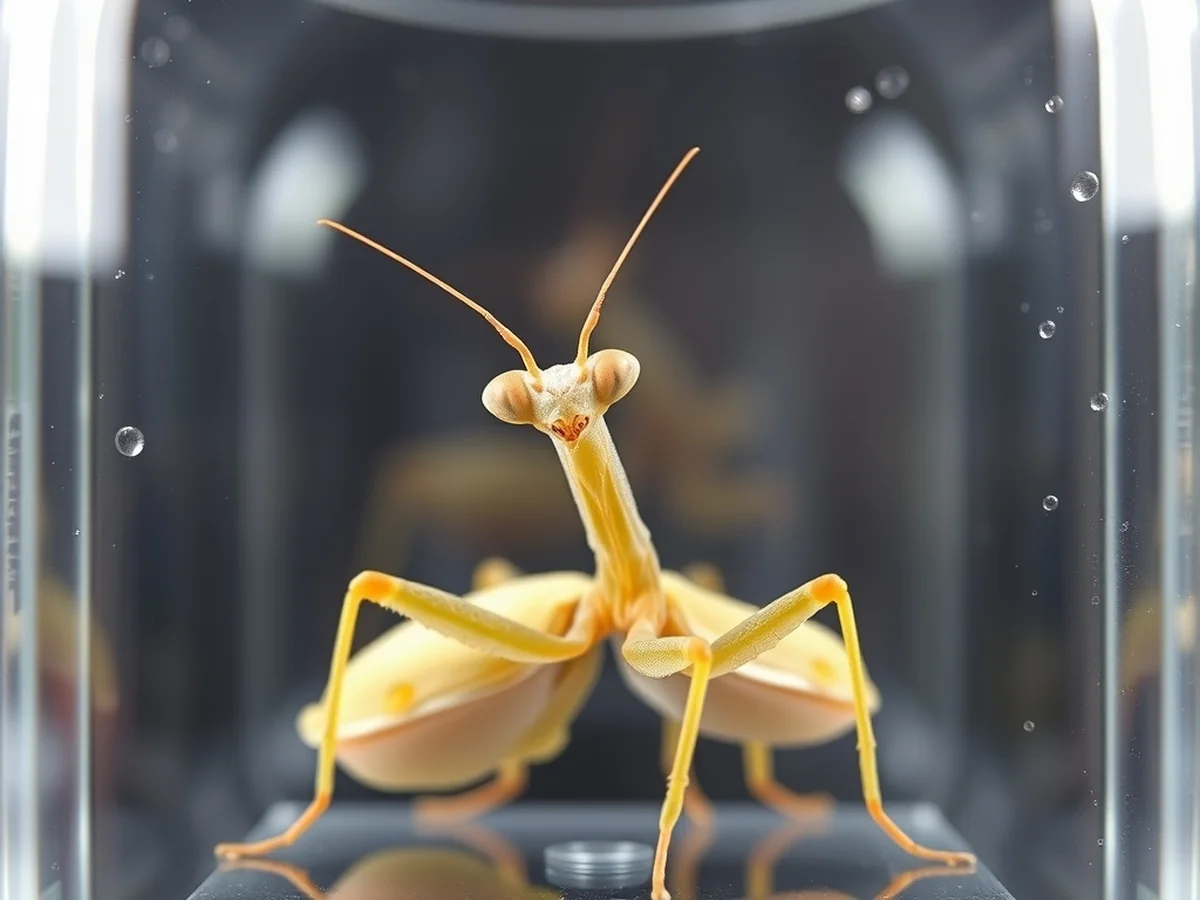
The orchid mantis lifespan typically ranges from six to nine months for females and four to six months for males. This period starts the moment the ootheca hatches into tiny nymphs. These insects undergo a series of molts to shed their old exoskeleton as they grow. Each molt represents a vital stage in their journey toward adulthood.
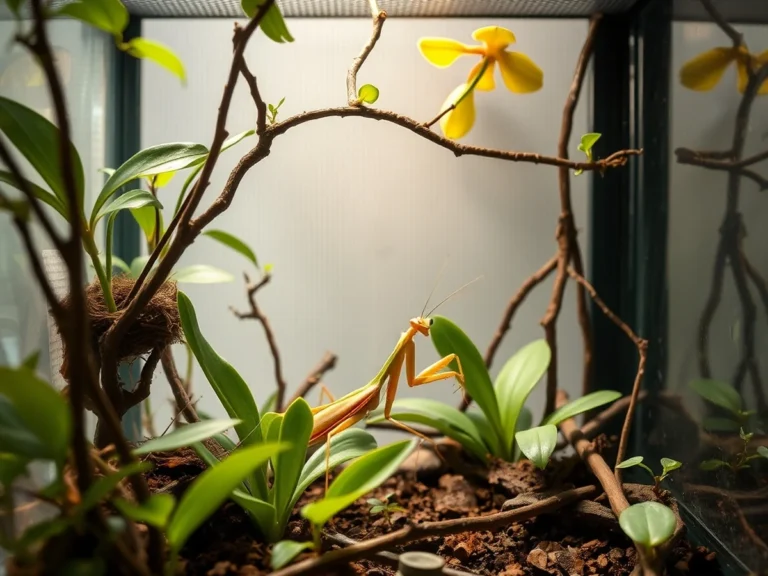
In captivity, you control the pace of their development. High temperatures and frequent feeding speed up their metabolism, causing them to molt more often. This rapid growth leads to an earlier adulthood and a shorter total life. If you want to extend their time with you, keep your enclosure around 75 degrees Fahrenheit. This slightly cooler environment slows their growth rate without harming their health.
Female Hymenopus coronatus usually require more molts than males to reach full size. Because they grow larger, they spend more time in the nymph stage. A female might molt seven times before she is ready to mate, while a male often reaches maturity after only five molts. You should monitor their activity closely during these transitions. A mantis that refuses food for two days is likely preparing to molt. Keep humidity levels stable during this time to help them emerge from their old shell without injury.
Lifespan in the Wild
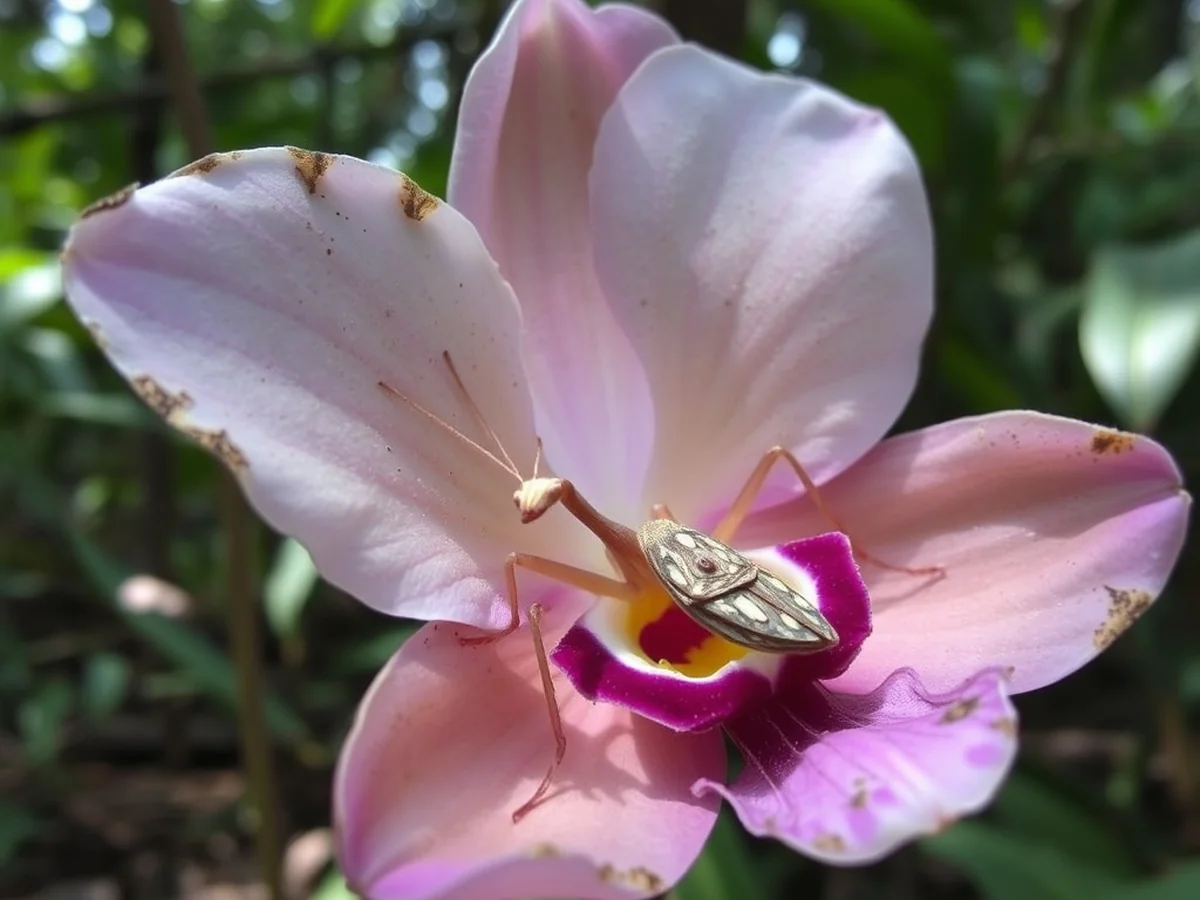
The orchid mantis lifespan in nature typically ranges from six to eight months. Wild specimens face harsh environmental pressures that dictate their survival timeline. Predators and scarce food resources often cut their potential age shorter than those kept in climate controlled environments.
Cooler temperatures significantly slow down the insect metabolic rate. When exposed to lower heat, these predators enter a state of reduced activity that preserves their energy stores. This biological slowdown delays the Hymenopus coronatus maturation process, which allows the insect to remain in its nymph stage for a longer duration.
Keeping temperatures between 72 and 78 degrees Fahrenheit helps avoid rapid aging. If a habitat stays consistently above 85 degrees, the mantis will reach adulthood too quickly. Rapid growth forces the exoskeleton to harden prematurely, which often leads to complications during the final molting phase.
Maintaining this thermal range is critical for those tracking how long these insects live. You should avoid extreme heat spikes that trigger an accelerated life cycle. Providing a stable, moderate environment prevents the insect from burning through its energy reserves before it can complete its natural metamorphosis. In my experience, even a five degree shift can noticeably alter the pace of your mantis development.
Extending Orchid Mantis Lifespan
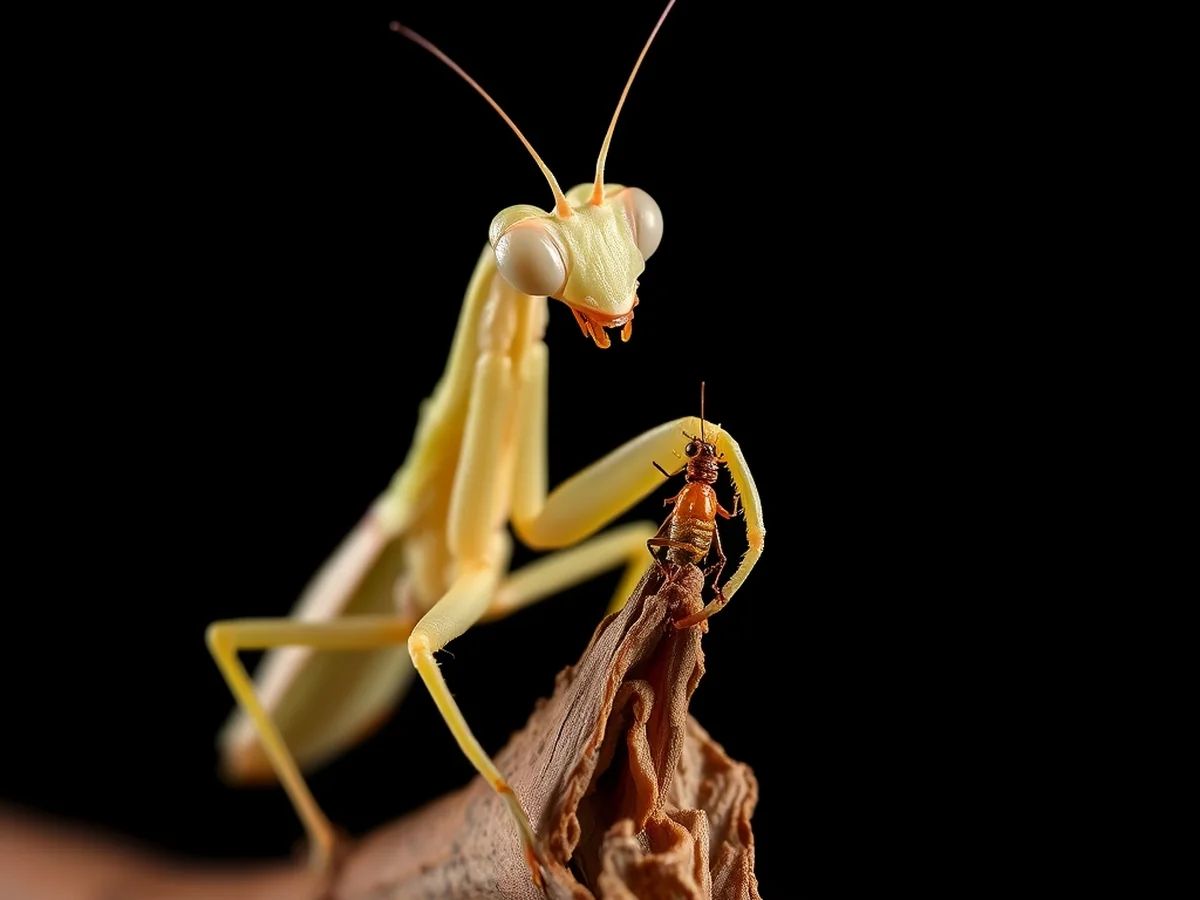
You can influence the orchid mantis lifespan by carefully managing how often your insect eats. Feeding them too frequently forces a faster metabolism, which pushes the insect through its growth stages much quicker than natural development requires.
Most keepers find that offering food every 2 to 3 days works best for young nymphs. If you provide crickets or fruit flies every single day, the mantis will reach its final adult stage ahead of schedule. This rapid development often results in a smaller adult size and a shorter total life.
Overfeeding risks include premature adulthood and potential complications during the molting process. When a mantis grows too fast, its soft new exoskeleton may not harden correctly before the next growth cycle begins. This puts unnecessary stress on the insect and can lead to injury or death.
To keep your Hymenopus coronatus healthy, focus on steady, moderate growth rather than rapid size gains. Aim to keep their enclosure around 75 degrees Fahrenheit to maintain a stable metabolic rate. This approach avoids the common mistake of pushing the mantis toward maturity before it is ready. Consistent, measured feeding is the most effective way to help your pet reach its full life expectancy in captivity.
Signs of Aging
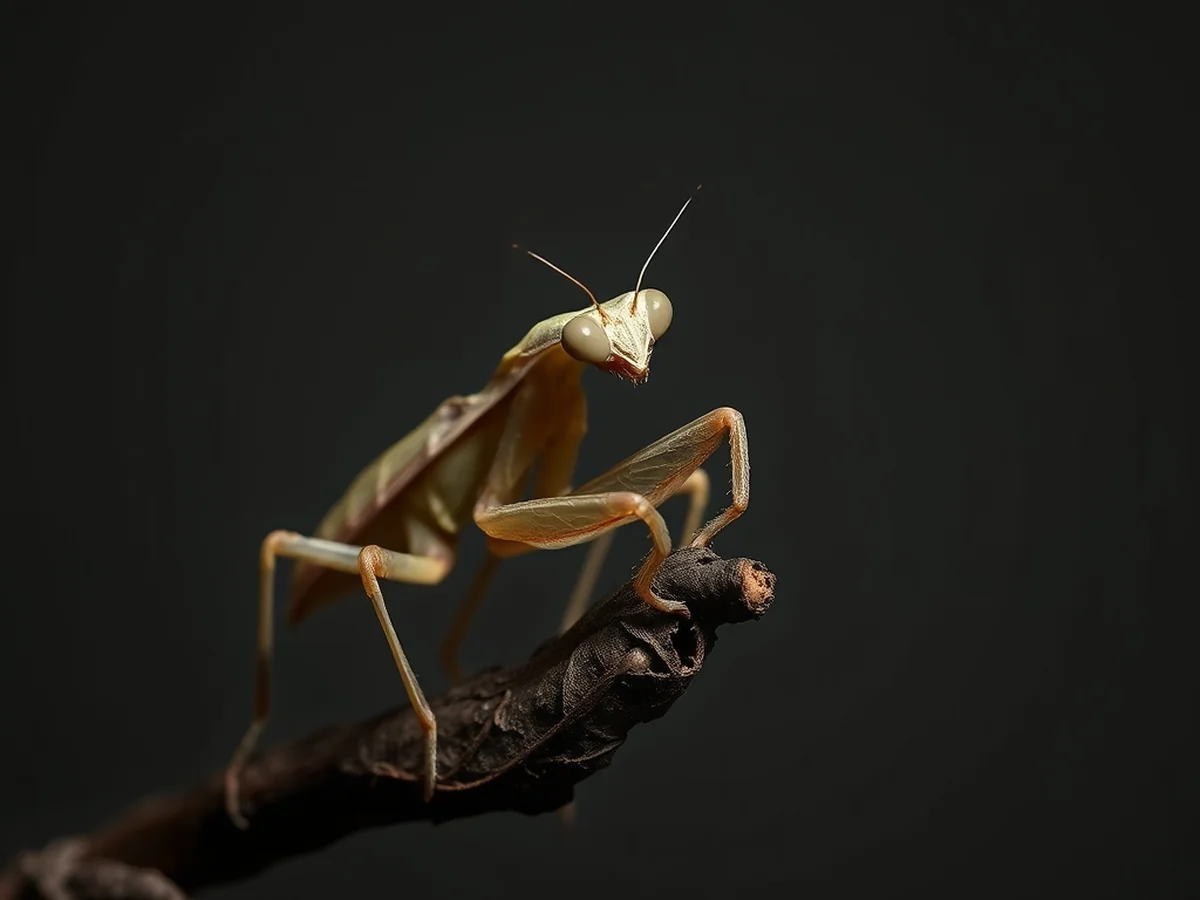
You can tell your Hymenopus coronatus is reaching the final phase of its life when its daily activity slows down significantly. While these insects are usually alert, an aging mantis will often stay in one spot on a branch for days. You might notice it shows less interest in hunting even when you offer live prey like fruit flies or small crickets.
Physical changes provide the clearest window into the later stages of the orchid mantis lifespan. An older mantis may struggle to maintain its grip on cage decor. It might fall or fail to hang upside down securely. You could also see the exoskeleton appear dull or cloudy as it loses the vibrant colors seen during its prime. Refusal to eat is a standard indicator that the body is shutting down after completing its final metamorphosis.
- Movements become noticeably sluggish or jerky.
- The mantis ignores food for 3 or more days.
- It spends almost all time on the floor of the terrarium.
- Cleaning or grooming behaviors cease entirely.
Once you see these markers, you should stop handling the insect to avoid causing stress. Keep the enclosure quiet and maintain steady humidity levels to ensure the mantis stays hydrated during its final days. Watching a pet approach the end of its life cycle is difficult, but focusing on simple environmental comfort makes their final time peaceful.
Male vs Female Lifespan
server se jawab nahi mila
Common Lifespan Myths
People often assume an orchid mantis lifespan matches that of common household pets, but this is a mistake. These insects follow a strict biological cycle. You cannot force them to live longer than their genetics allow through extra food or warmth.
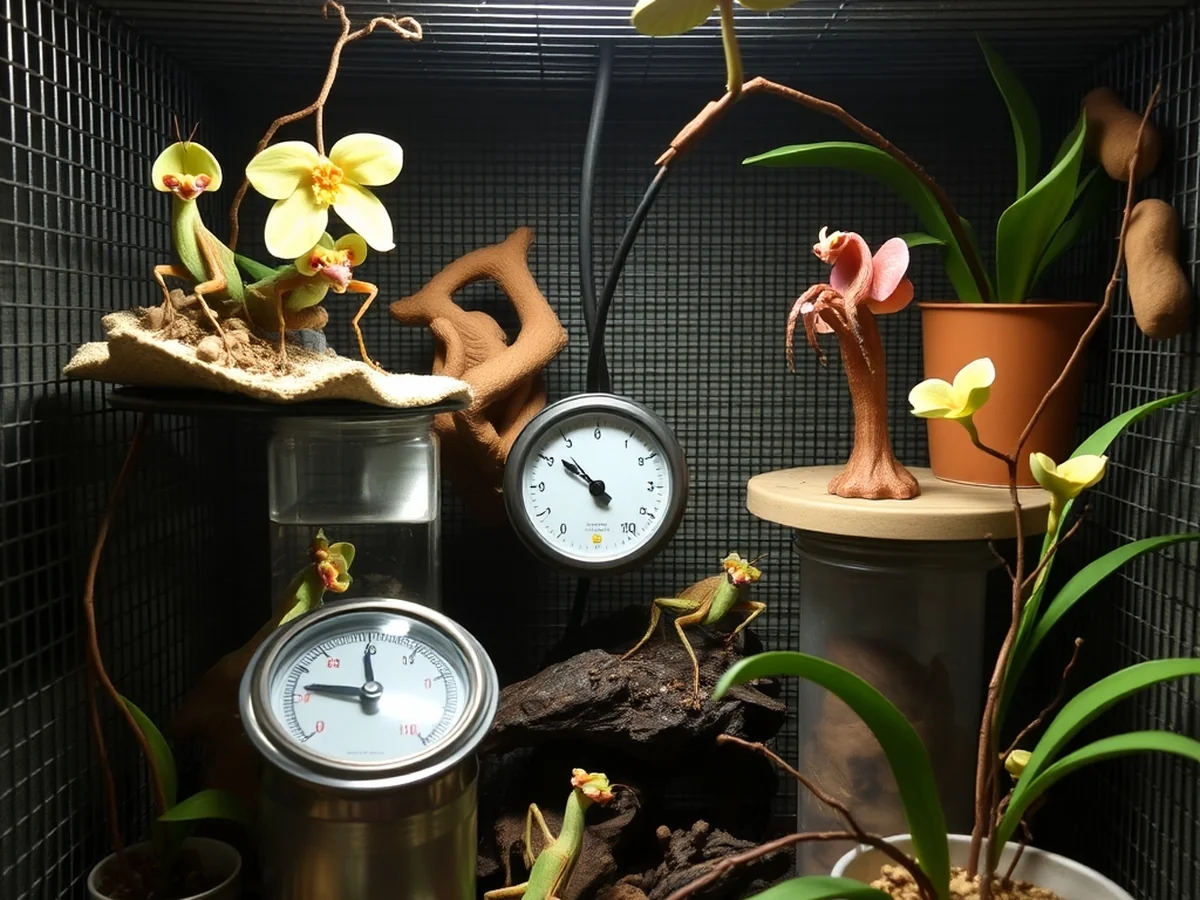
A frequent error involves humidity levels. Many keepers believe higher moisture always equals better health. In reality, keeping a terrarium too damp causes fungal growth and respiratory issues. Your Hymenopus coronatus needs ventilation just as much as it needs water. Aim for a cycle that allows the enclosure to dry out slightly each day.
Another myth suggests that keeping the room temperature high speeds up growth without consequence. Higher heat actually increases their metabolic rate, which forces them to reach maturity faster. This leads to a shorter life. I have found that keeping them at 75 degrees Fahrenheit provides a steady, healthy growth pace.
- Males reach adulthood much faster than females, often living only six months.
- Females are larger and may live for nine months or slightly longer.
- Constant overfeeding accelerates their molting frequency, which burns through their limited life stages too quickly.
Do not expect these creatures to live for years. Their beauty is fleeting, and understanding their natural pace helps you appreciate their time with you.
Ensuring Healthy Longevity
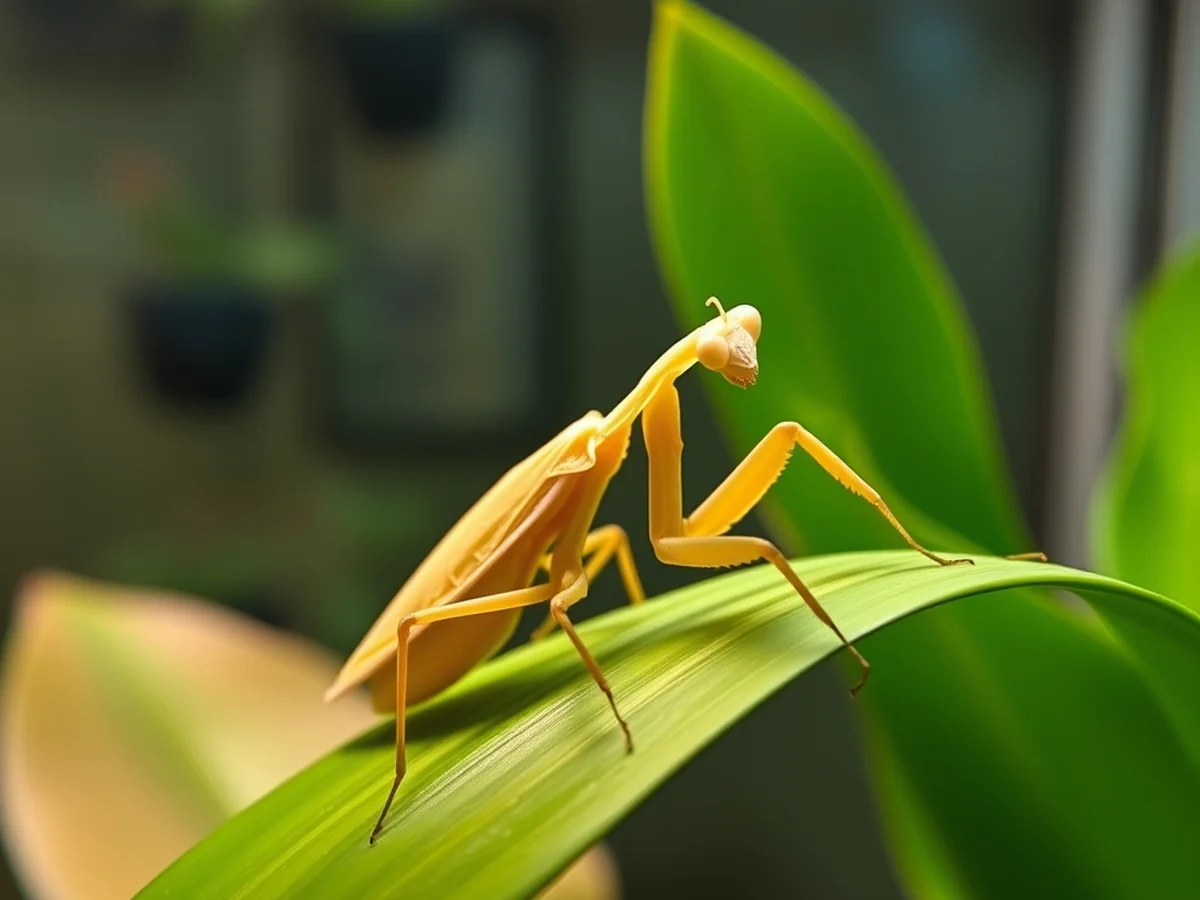
You can influence the orchid mantis lifespan by carefully managing their environment. While these insects have a brief existence, providing optimal care allows them to thrive during their natural life cycle.
Your primary goal is to maintain stable humidity levels between 60 and 80 percent. In my experience, keeping the terrarium clean prevents bacterial growth that often stresses an aging Hymenopus coronatus. Use a digital hygrometer to monitor these conditions accurately.
Temperature control acts as a direct lever for their metabolic rate. Lowering the ambient temperature by just 5 degrees Fahrenheit during their adult stage can slow their metabolism. This simple adjustment often extends their time with you by delaying the aging process.
Proper nutrition remains critical throughout every growth stage. Avoid overfeeding your mantis, as rapid growth leads to premature maturity and a shorter total life. Provide appropriately sized prey like fruit flies for nymphs or small crickets for adults.
- Monitor molting signs to ensure the exoskeleton sheds without complications.
- Avoid handling during the delicate metamorphosis phase to prevent injury.
- Keep the habitat free of chemical cleaners or toxic sprays.
Embrace the short time you have with these beautiful creatures. By prioritizing best husbandry practices, you give your pet the highest quality of life possible until the end.
For another perspective, this detailed piece on Orchid Mantis Lifespan : r/mantids is worth a read.
You might also like: Male vs Female Orchid Mantis: How to Tell Them Apart