
Orchid Mantis Price Guide: What They Really Cost in 2026Orchid Mantis Color Guide: Pink, White & Other Morphs Explained
Introduction
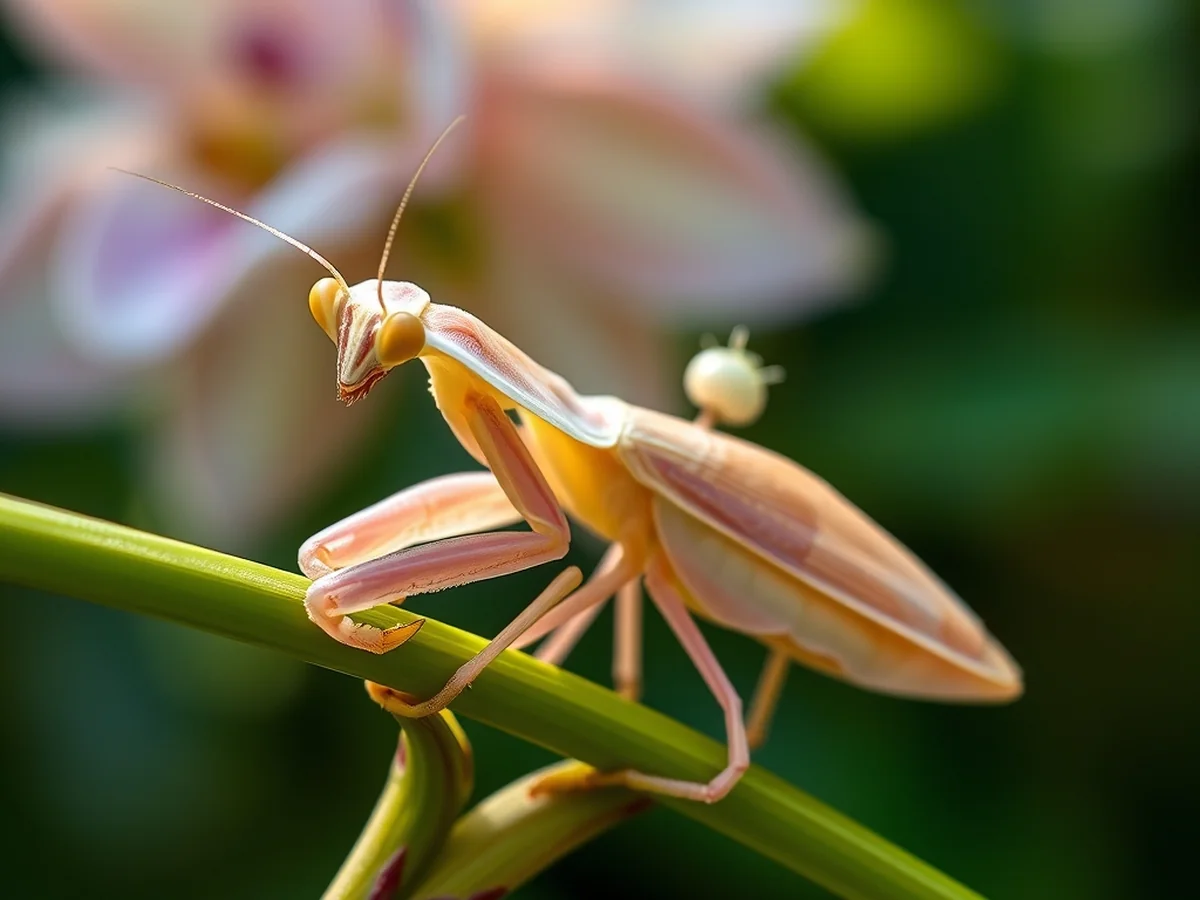
The Hymenopus coronatus is famous for its floral mimicry that makes it look exactly like a delicate flower petal. Many hobbyists search for orchid mantis color morphs hoping to control the hue of their pet, but these insects do not change color instantly like a chameleon.
True changes in pigmentation happen slowly and only during the molting process. You might notice your mantis shift from a bright pink to a creamy white after it sheds its old exoskeleton. This transition is tied to environmental factors like UV light and humidity levels rather than a quick response to their surroundings.
I have seen many keepers expect immediate results, but a single nymph often takes several weeks to show a new shade. This guide explains why these color shifts occur and how you can influence them safely within a standard 12-inch terrarium setup.
Molting and Color Changes
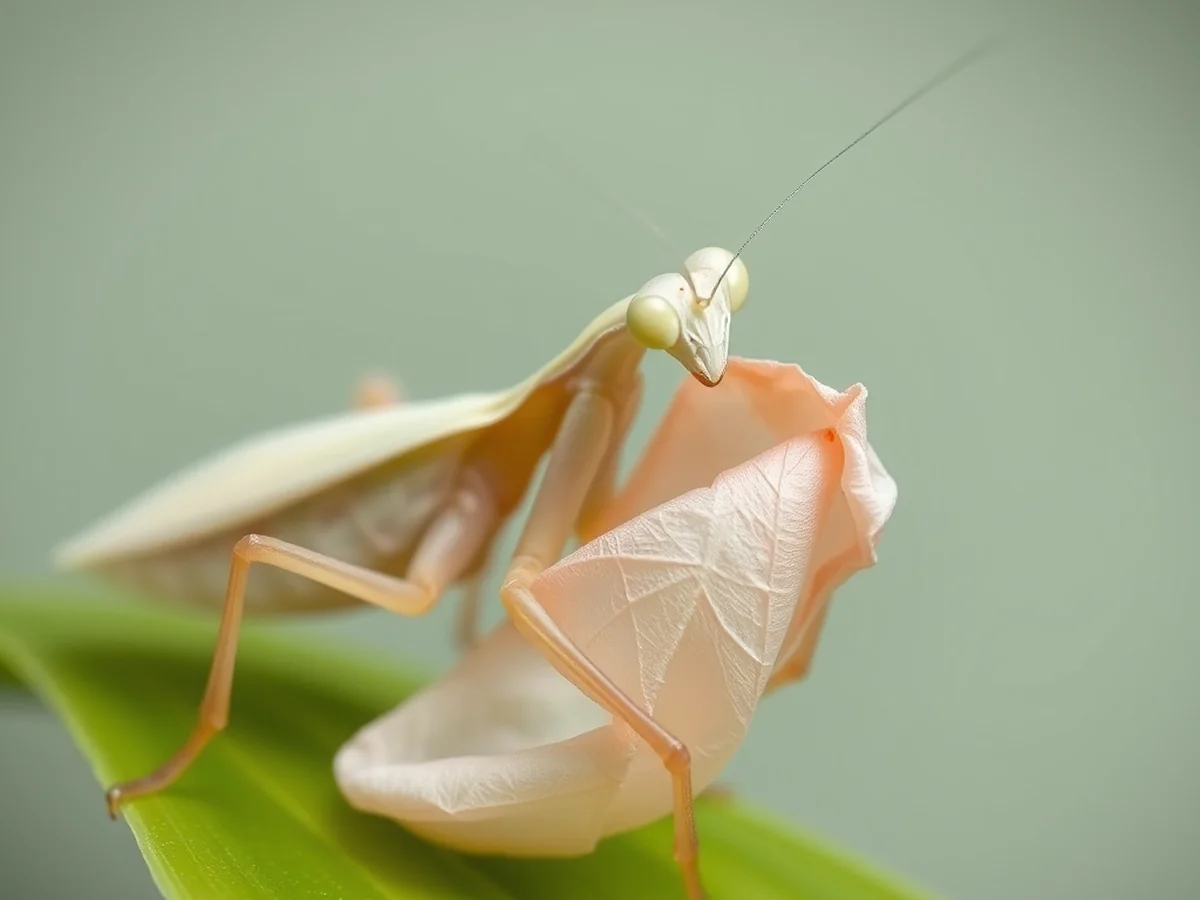
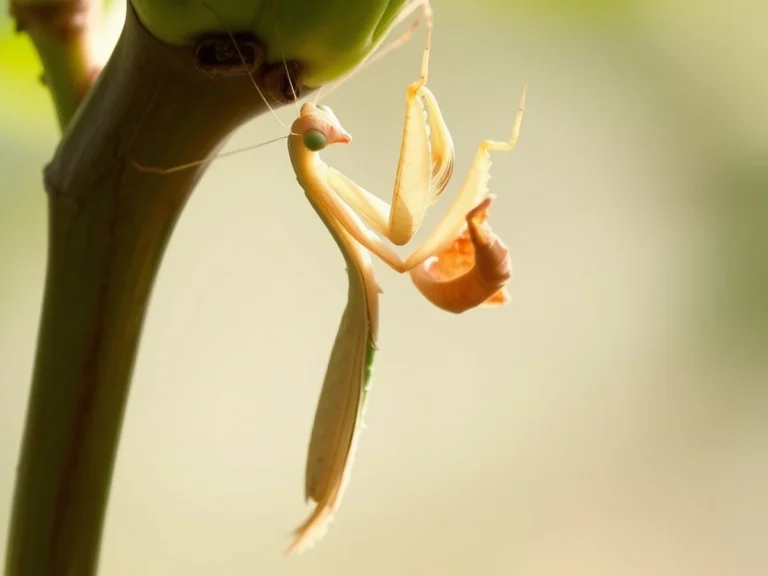
Your Hymenopus coronatus only shifts its hue during the molting phase. These insects cannot change color instantly to match a new flower. The transformation happens as the old exoskeleton splits and the new one emerges underneath.
As the mantis sheds its skin, it remains soft and pale for several hours. During this time, the insect absorbs pigments based on its recent environmental exposure and genetic makeup. Once the new exoskeleton dries and hardens, the final shade sets until the next molt. You might wait about 14 days between these growth stages for a young nymph.
The orchid mantis color morphs rely heavily on environmental inputs like light intensity and humidity. If you provide consistent UV light, your mantis is more likely to retain vibrant pink tones. Without enough light, the insect often produces duller pigments. This is a natural form of camouflage that helps the predator blend into its surroundings.
You may occasionally see a mantis turn brown. This often happens if the humidity is too low or the animal is stressed by high ambient temperatures. While some brown variation is normal, a sudden shift away from white or pink can signal that your terrarium setup needs adjustment. Keep the environment stable to support healthy molting cycles.
- Ensure the enclosure allows for proper shedding.
- Maintain 60 percent humidity to prevent stuck molts.
- Use quality UV lighting to encourage natural pigmentation.
Avoid handling your pet during the 24 hours surrounding a molt. The new shell is fragile and easily damaged while it sets. Patience is the best tool for managing the appearance of your mantis as it grows toward adulthood.
Pink vs White
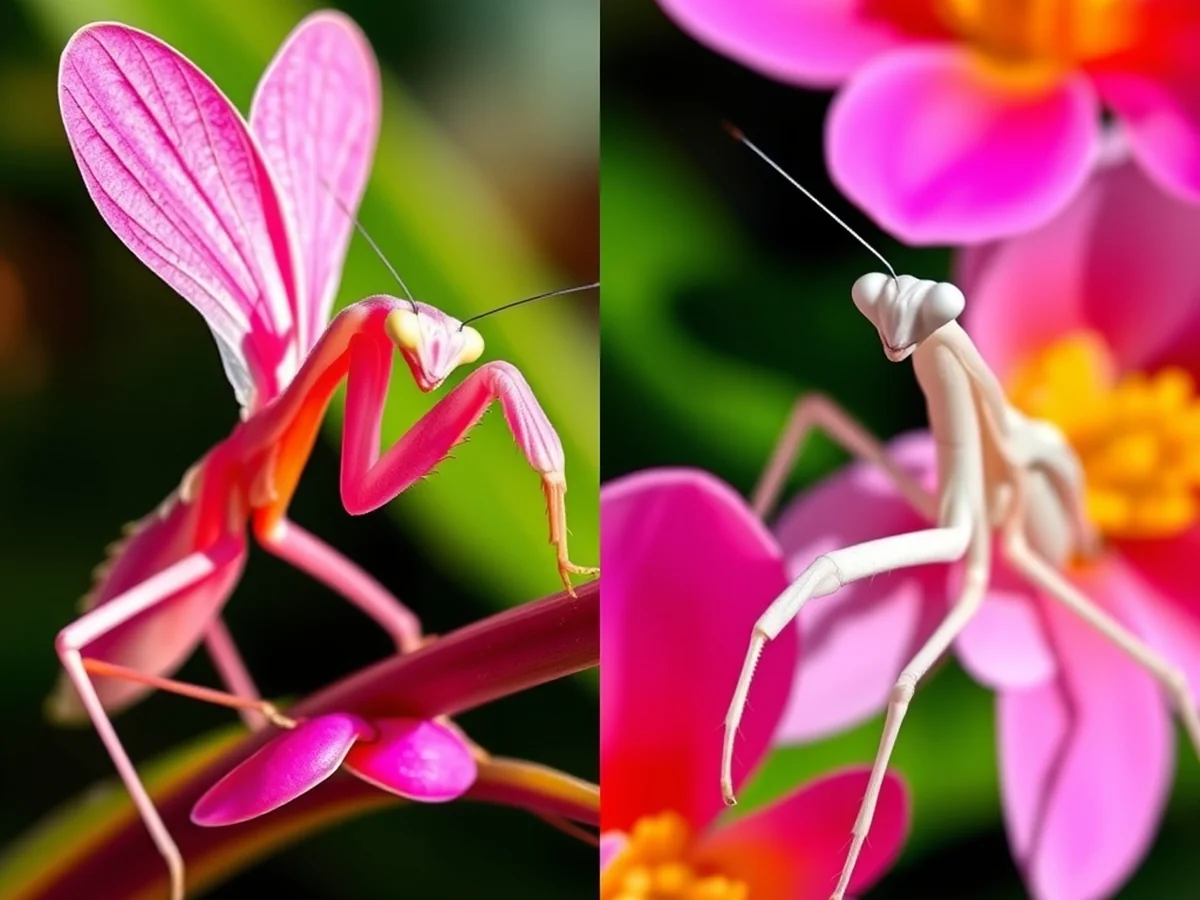
The pink and white varieties of Hymenopus coronatus are not separate species. They are simply individual variations of the same insect. You will find that these orchid mantis color morphs depend on the specific environment and the genetics of the individual nymph.
Many keepers wonder if their pet can shift hues instantly to match a flower. This is a common myth. A mantis cannot change its color on command like a chameleon. Instead, the shade of its exoskeleton is determined during the molting process. When a nymph sheds its old skin, it may emerge with a different level of pigmentation than it had before.
Factors that influence these shifts include:
- The intensity of UV light in the enclosure.
- The level of ambient humidity.
- The type of flowers present for camouflage.
If you keep your mantis in a setup with bright white artificial lighting, it is more likely to retain a stark white appearance. Conversely, those kept near pink floral decor or under specific light spectrums often develop those sought after rosy tones. While many people pay a premium for specific colors, remember that an adult female can reach a size of about 6 to 7 centimeters. If you are buying a young nymph, expect to pay around $60 to $80 for a healthy specimen from a reputable breeder.
If your insect turns brown, it is usually a sign of stress or poor humidity rather than a natural morph. Keep the environment stable to help your mantis maintain its beautiful, vibrant look throughout its life cycle.
Light Intensity Effects
Bright light levels directly influence how Hymenopus coronatus develops its signature hues. While these insects do not shift color instantly to match a flower, they adjust their saturation during the molting process based on their surroundings. High-intensity light often encourages a deeper pink or vibrant magenta shade. This reaction serves as an evolutionary tool for floral mimicry within their natural habitat.
If you keep your enclosure in a dim room, your pet may appear dull or transition toward a creamy white. I have noticed that providing 10 to 12 hours of full-spectrum light helps maintain the brightest pigments. Avoid placing your terrarium in direct, harsh sunlight, as this can overheat the fragile exoskeleton. Proper lighting is essential for achieving the most sought-after orchid mantis color morphs during each growth stage.
Humidity and Color
Stable humidity levels are vital for a successful molt and the resulting health of the cuticle. Keeping the ambient humidity around 60 percent ensures the insect sheds its old skin without complication. When the environment is too dry, the mantis may struggle to complete its molt, which often leads to brown or discolored patches on the new exoskeleton.
Maintaining the right moisture balance is more important than specific color manipulation. A healthy nymph will show its true, vibrant colors once the new cuticle hardens after a molt. If your mantis consistently turns brown despite healthy molting, check your ventilation. Poor airflow combined with high moisture often creates a stagnant environment that dulls the natural brilliance of this invertebrate. Always use a digital hygrometer to monitor these levels, as even a 5 percent drop below the ideal range can affect long-term health and color expression.
UV Lighting Impact
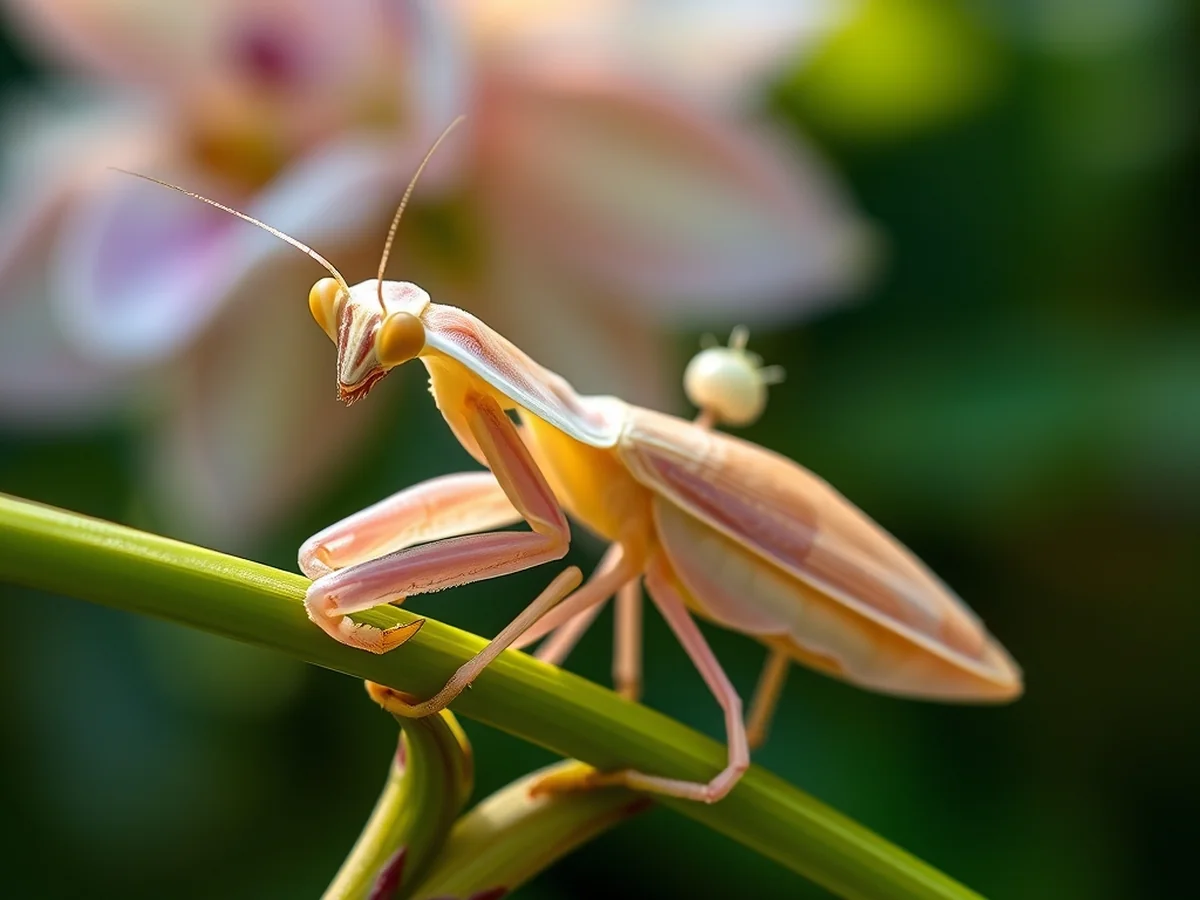
Proper lighting is essential because Hymenopus coronatus relies on light intensity to trigger natural pigmentation. While these insects do not change color instantly to match a flower, the light they receive during their development influences the shade of their exoskeleton after each molt.
Many keepers wonder if they can influence orchid mantis color morphs through artificial means. In my experience, high-quality full-spectrum lighting helps maintain the bright pink or white hues that define this species. Without adequate light, nymphs may develop duller colors or show premature browning. It is not just about brightness but about providing a spectrum that mimics the natural environment these insects use for floral mimicry.
When choosing a light source for your mantid enclosure, prioritize safety and distance. You should mount your light at least 12 inches away from the top of the mesh to prevent overheating. Overheating often forces the mantis to turn brown as a stress response. Use a low-wattage LED bulb specifically designed for tropical invertebrates to avoid harmful radiation levels.
Follow these tips for your setup:
- Use a 6500K daylight bulb to simulate natural sun conditions.
- Ensure the light cycle follows a strict 12-hour on and 12-hour off pattern.
- Avoid placing the enclosure in direct sunlight to prevent dangerous heat spikes inside the glass or plastic.
Remember that your mantis will only display its true potential after a successful molting cycle. While light encourages vibrant color, it works alongside humidity and ambient temperature. Consistent care ensures the best results for your pet.
Brown Morph Causes
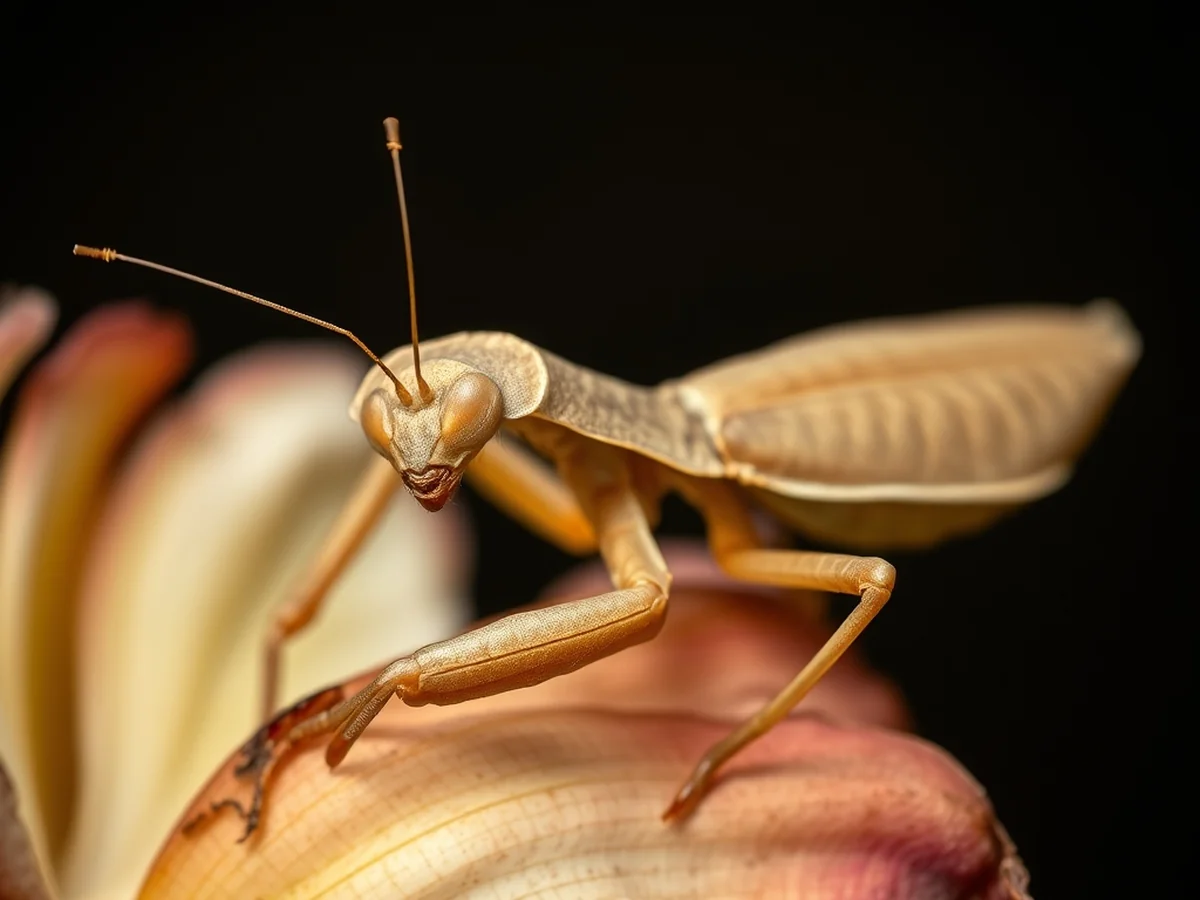
Your Hymenopus coronatus may turn brown if it is nearing the end of its life cycle. Adult females often shift to duller tones after their final molt as their exoskeleton hardens and their biological functions slow down. This is a natural aging process rather than a sign of poor health.
Stress is another frequent trigger for off-color mantids. If the ambient temperature stays consistently above 85 degrees Fahrenheit, your insect might darken to cope with the heat. High stress from frequent handling or a lack of proper camouflage hiding spots can also cause this shift. When a mantis feels exposed, it may lose its bright hues to blend into darker surfaces like branches instead of flowers.
Environmental factors during the molting phase dictate many orchid mantis color morphs. Lack of sufficient UV light often results in faded or brownish coloration. Without the correct spectrum, the insect cannot develop the vivid pink or white pigments typical of a healthy specimen. Humidity levels below 60 percent can also dry out the cuticle and lead to duller, muted appearances.
- Old age during the final adult stage.
- Excessive heat causing heat-stress darkening.
- Poor lighting quality lacking full-spectrum UV.
- Chronic stress from a barren terrarium setup.
Do not confuse this with an instant change. These insects cannot shift colors to match a new background in seconds like a chameleon. The color transition happens strictly during the molting process. If your nymph turns brown suddenly, check your enclosure setup for environmental stressors. A healthy, well-fed insect kept in a stable predatory mimicry setup usually maintains its vibrant color until its final days.
Color Transition Timeline
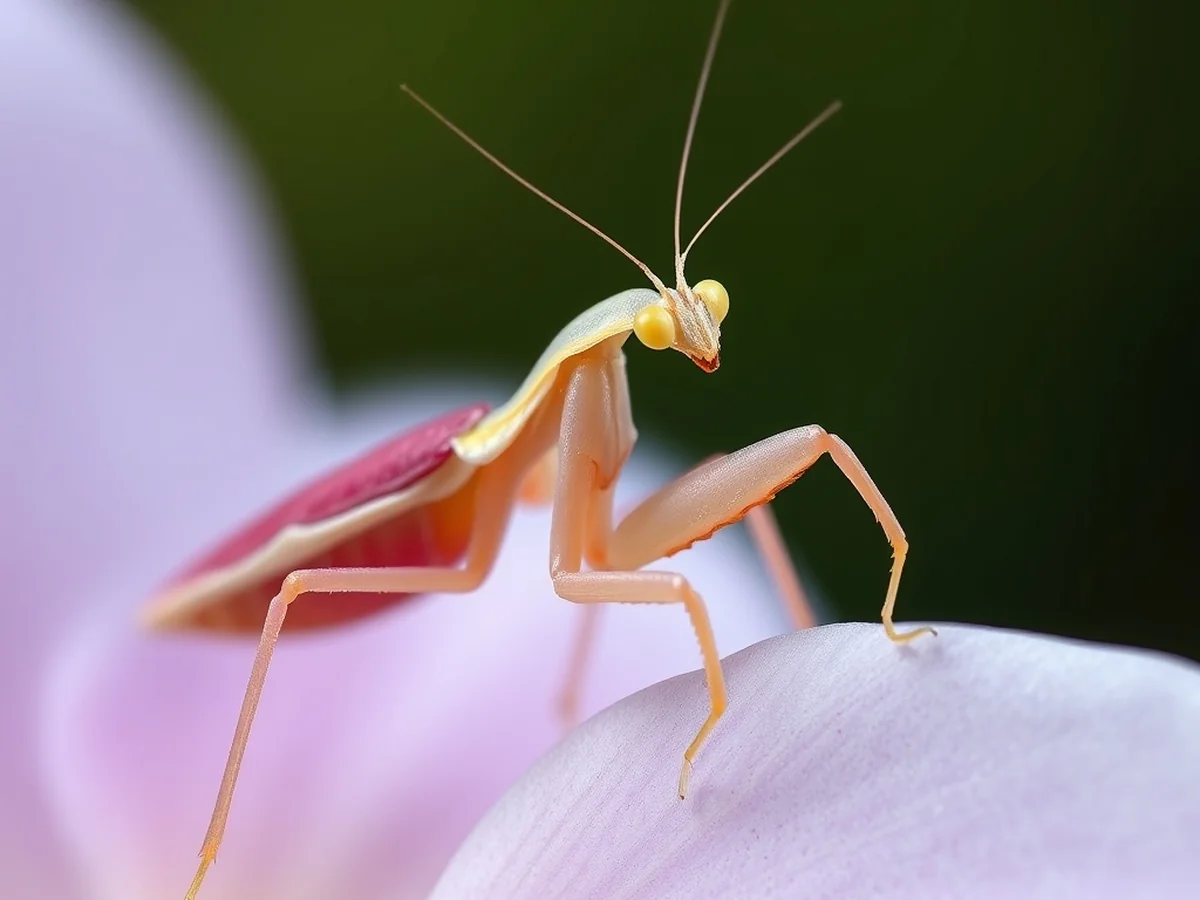
The Hymenopus coronatus does not change color instantly like a chameleon. Instead, these insects shift their hue gradually over several weeks, specifically during the molting process. Each molt provides a fresh exoskeleton, which is the only time the mantis can truly alter its base pigmentation.
You will notice the most significant shifts between the L2 nymph stage and adulthood. A typical transition timeline looks like this:
- L1 to L2: Nymphs often emerge with bright orange or red markings to mimic small prey.
- L3 to L4: The transition toward softer pink or white shades begins as they grow.
- Sub-adult phase: The mantis reaches its most intense orchid mantis color morphs before the final molt.
- Adult: The final color sets in, often influenced by the light intensity during the previous instar.
Developmental biology dictates that these changes are not voluntary. If you notice your mantis turning brown, it is often a sign of low humidity or stress rather than a natural shift. In my experience, keeping an ambient temperature around 25 degrees Celsius helps stabilize the molting cycle. Providing proper UV light during the growth phase is vital for maintaining those vibrant pinks instead of dull whites.
The entire process from nymph to adult usually takes about 4 to 6 months depending on feeding frequency. Remember that once the adult exoskeleton hardens after the final molt, the color is fixed for the rest of its life. Providing a floral environment encourages the mantis to settle into the specific hue that best matches its surroundings, though this adaptive coloration has clear genetic limits.
Orchid Mantis Morph FAQs
server se jawab nahi mila
Summary of Color Morphs
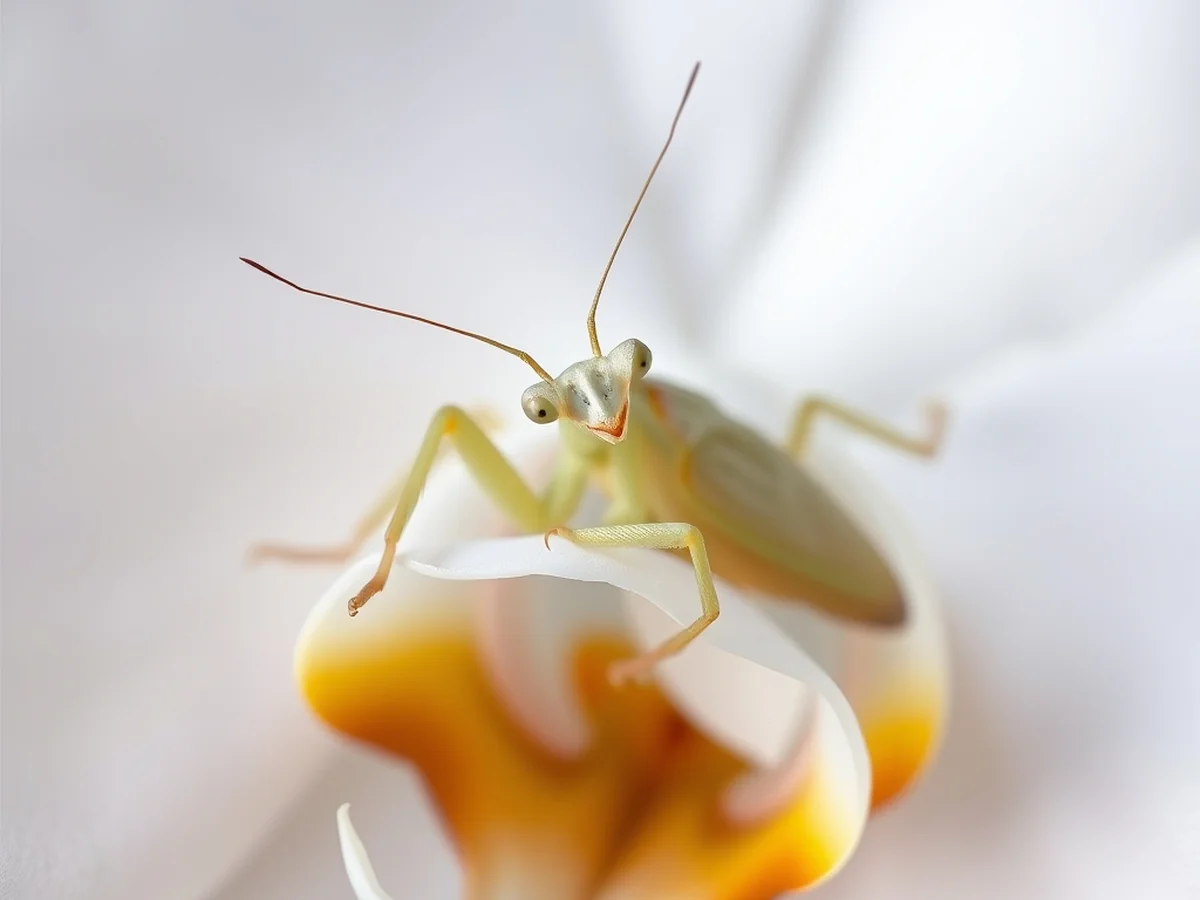
You cannot force an orchid mantis color morphs transition instantly. Many hobbyists expect their Hymenopus coronatus to shift hues like a chameleon, but this is a common myth. These insects adjust their pigmentation gradually and only during the molting process. Your mantis will not change color to match a specific plastic flower inside your terrarium.
The final color of your pet depends on genetics and environmental triggers. High humidity and proper UV light exposure often encourage vibrant pink or white tones. If your mantis turns brown, it is usually a sign of low humidity or stress rather than a natural morph. This dulling happens because the insect is dehydrated or the ambient temperature is too high for its specific needs.
- Molting is essential for any visible shift in appearance.
- Nymphs often show more pink, while adults may lean toward white or cream.
- Brown coloration frequently indicates poor husbandry or health issues.
- Provide at least 60 percent humidity to support healthy exoskeleton development.
Patience remains the most critical part of mantid care. Do not disturb your insect when it appears sluggish or stops eating, as it is likely preparing for its next molt. This process takes about 24 hours to complete, and the new color will set once the exoskeleton hardens. A healthy sub-adult mantis typically costs around $45 from reputable breeders. Focus on maintaining steady environmental conditions instead of trying to manipulate the hue through external props. Consistent care ensures the floral mimicry remains bright and functional throughout the life cycle of your invertebrate.
For another perspective, this detailed piece on Although not thoroughly researched, orchid mantises can … is worth a read.
You might also like: Orchid Mantis Lifespan: How Long Do They Live?
One Comment