Orchid Mantis Molting: Instar Stages Explained (With Timeline)
Introduction
server se jawab nahi mila
Counting Instar Stages
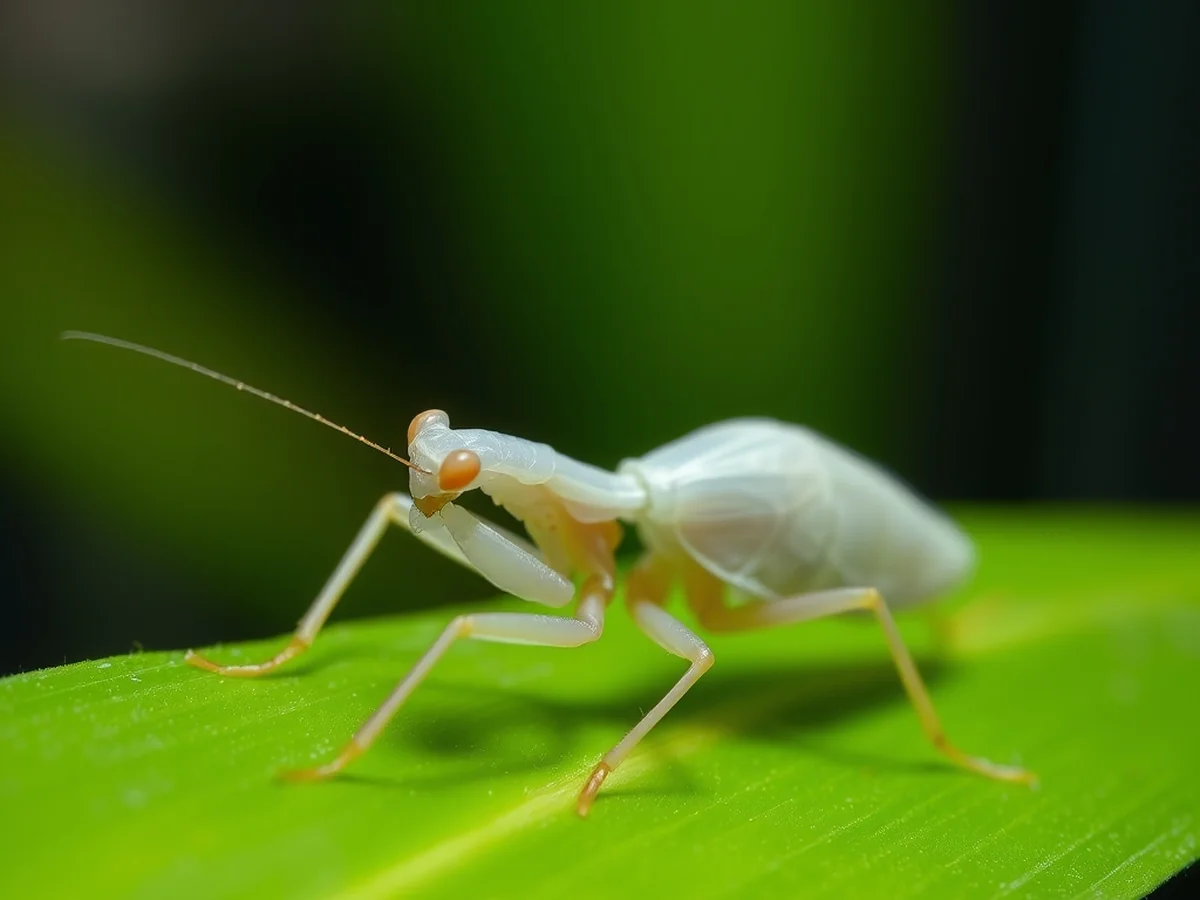
The L1 stage marks the very first phase for your Hymenopus coronatus immediately after it emerges from the protective ooth. You can track the orchid mantis molting instar stages by counting every successful shed your nymph completes. Each time the insect leaves behind its old exoskeleton, it enters a new and larger developmental level.
To keep an accurate log, start by noting the hatch date as your L1 baseline. Every time you find a discarded, translucent shell at the bottom of the terrestrial enclosure, you know your mantis has reached the next instar. I suggest using a simple notebook or a digital app to record these dates. This helps you anticipate the praying mantis molting process in the future, as growth intervals often become more predictable over time.
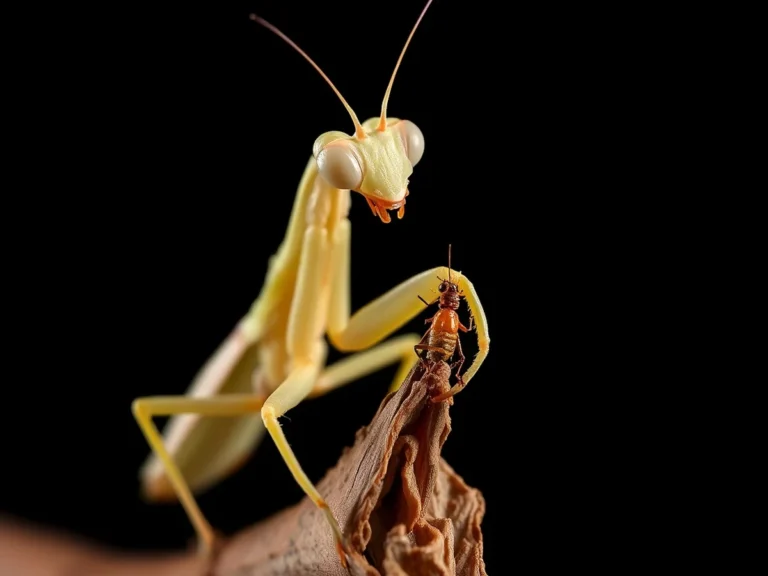
Most keepers find that identifying mantis instar stages becomes easier as the nymph grows. By the time it reaches L3 or L4, the physical size difference is noticeable. Keep a close watch on the abdomen and the antenna length after each ecdysis. You can expect roughly 7 stages before your mantis reaches full maturity. If you ever lose count, focus on the overall size of the nymph rather than guessing. Tracking these shifts ensures you provide the right size prey, such as fruit flies for early instars or crickets for later stages.
Growth Timeline Milestones
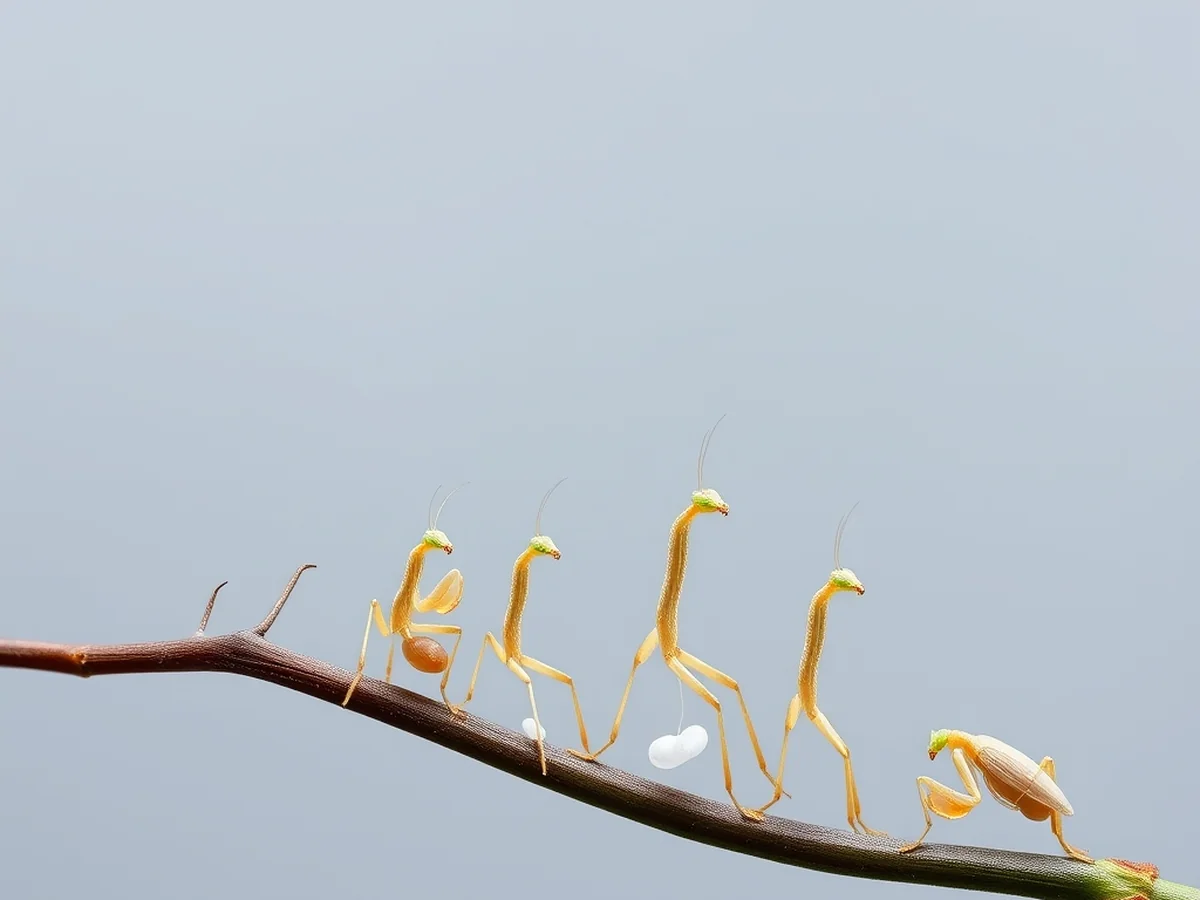
server se jawab nahi mila
Pre-Molt Behavior
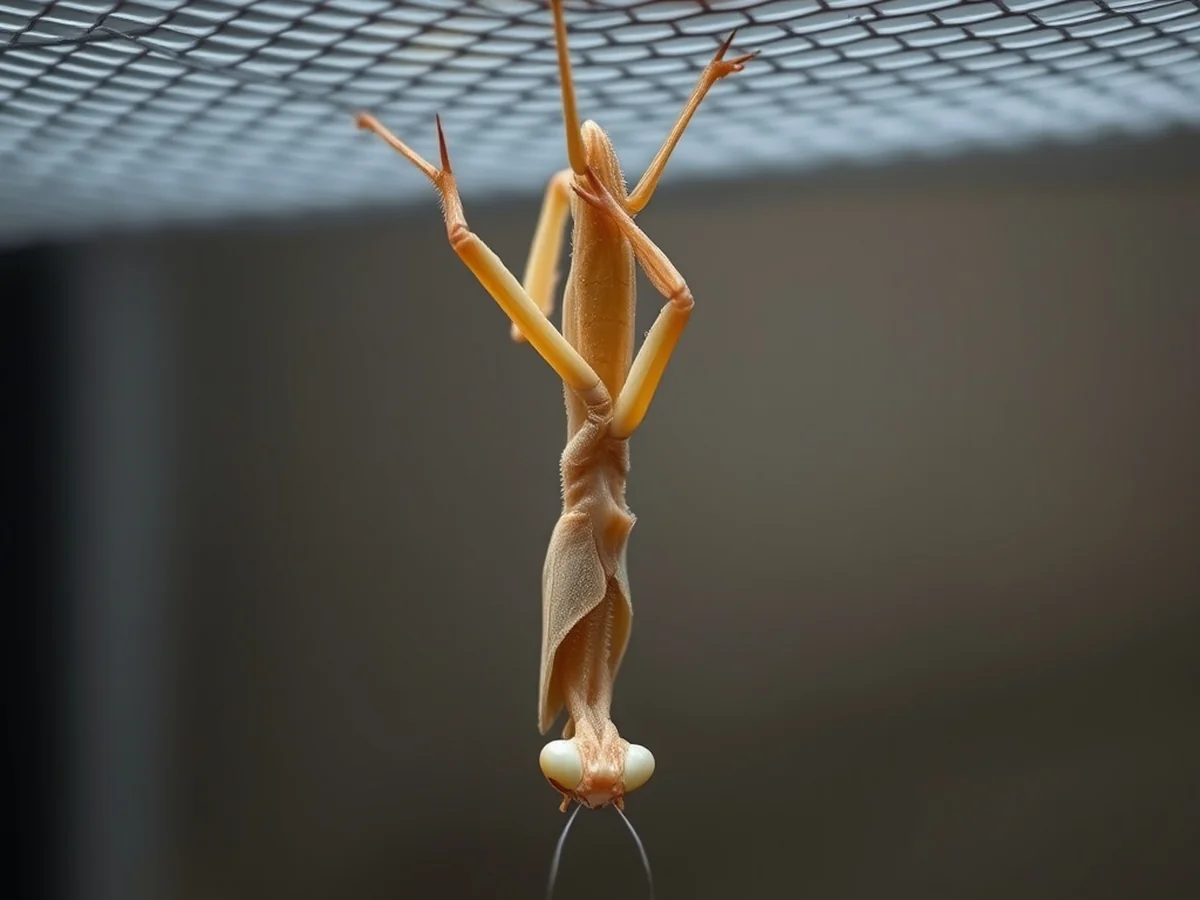
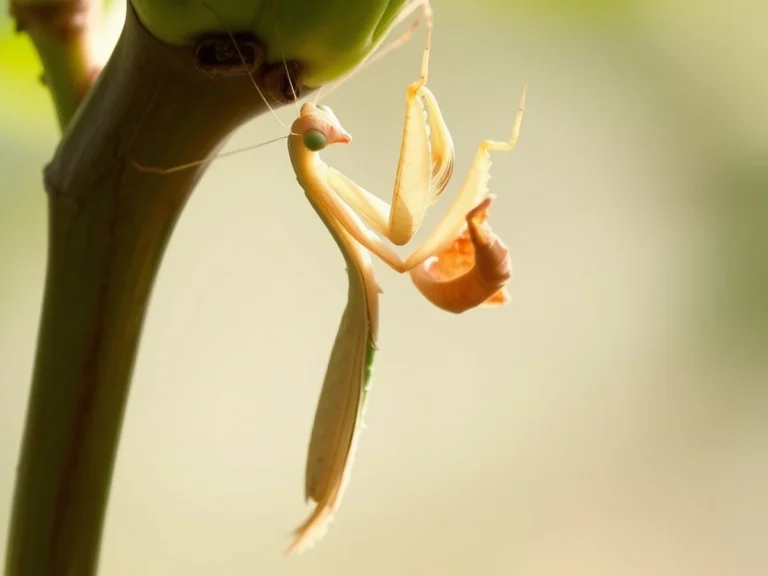
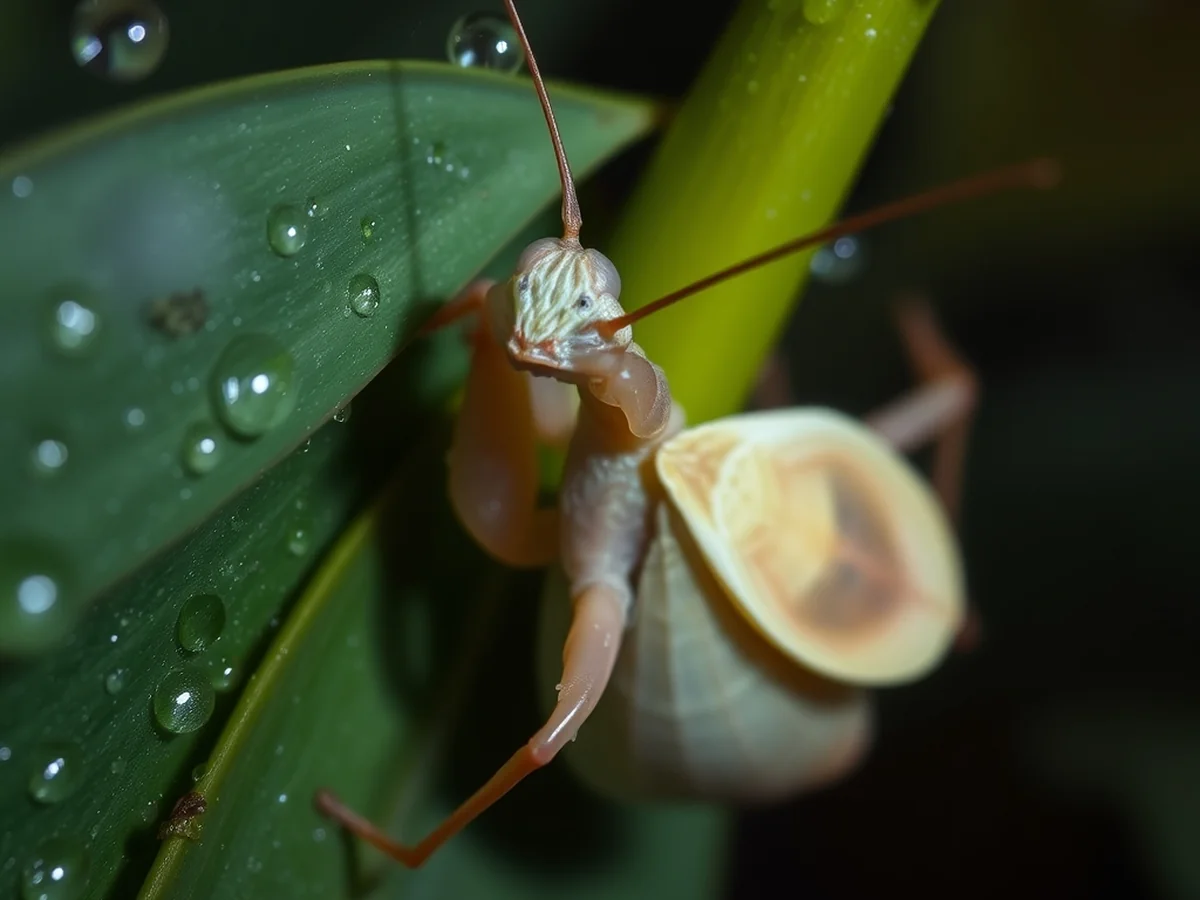
Your Hymenopus coronatus will stop eating and become very quiet when it prepares for orchid mantis molting instar stages. This behavior usually begins 24 to 48 hours before the actual ecdysis. You might see your nymph hanging upside down from the mesh ceiling of its enclosure for long periods. It will ignore prey like fruit flies or small crickets entirely.
If your mantis is healthy, this fast is a natural part of its development. The insect needs to empty its digestive tract to make room for the new, larger body. You can tell the difference between healthy fasting and illness by looking at its posture. A pre-molt mantis holds its limbs tightly against its body and appears calm. A sick mantis often sits on the floor of the enclosure, moves erratically, or struggles to grip the mesh with its tarsus.
Keep your humidity levels steady at around 70 percent during this time. Extra moisture helps the old exoskeleton soften for a smoother transition. Do not handle your mantis when it starts this process. Even a small disturbance can cause a malformed molt, which often results in damaged wings or limbs. If your mantis skips food for more than 4 days without molting, check your enclosure temperature.
Molting Setup Requirements
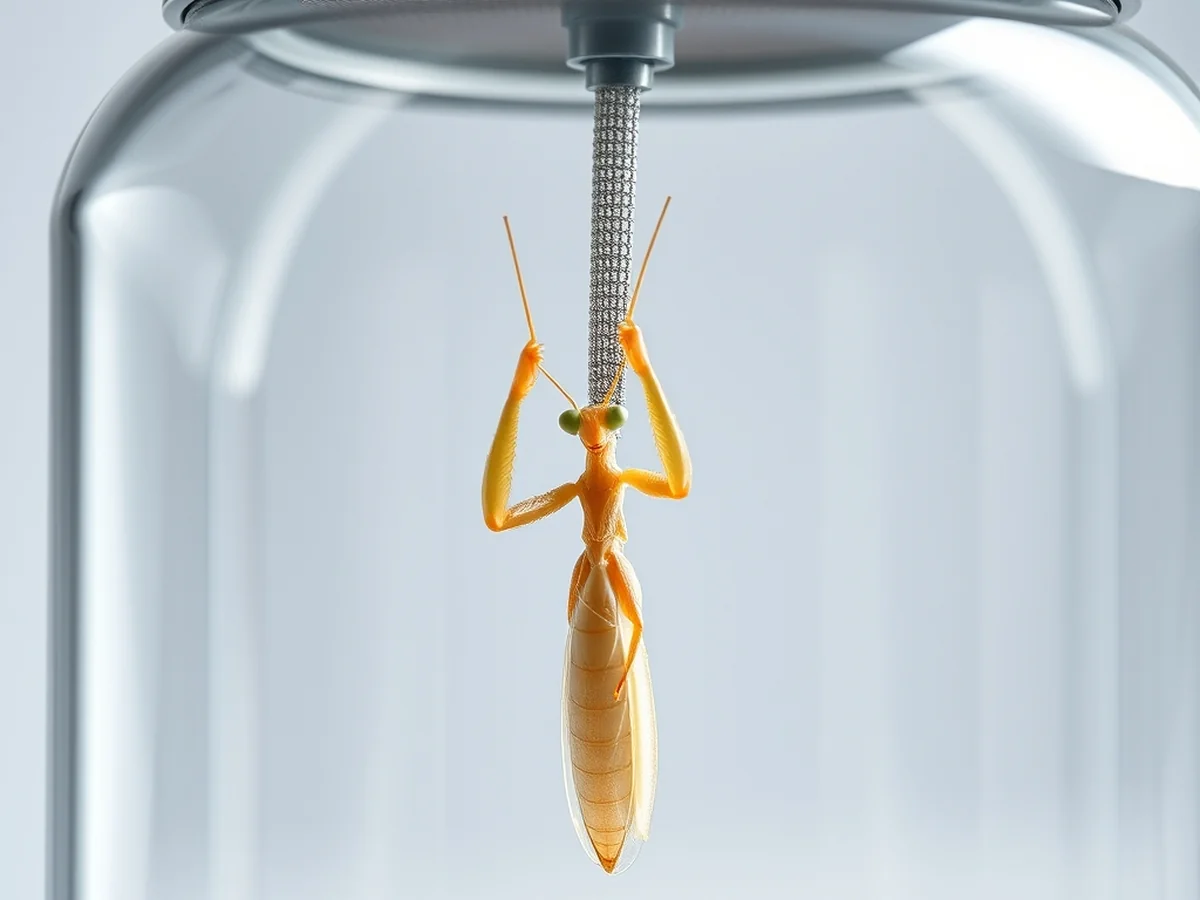
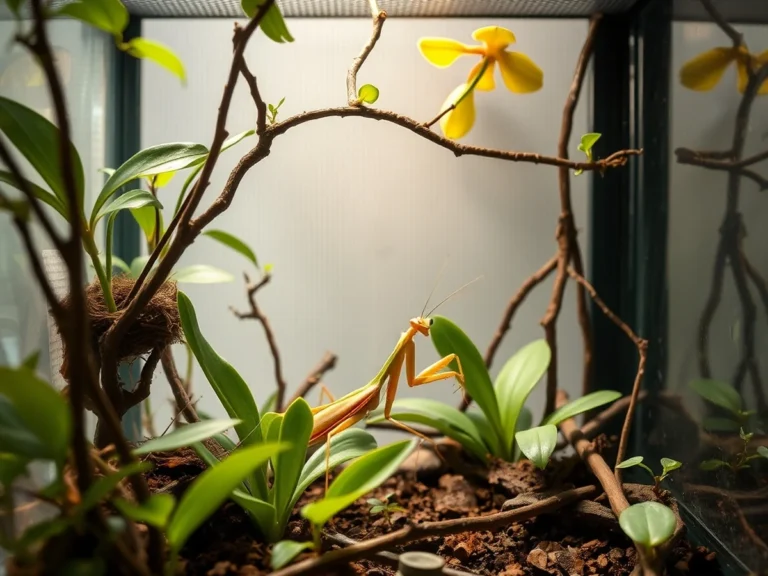
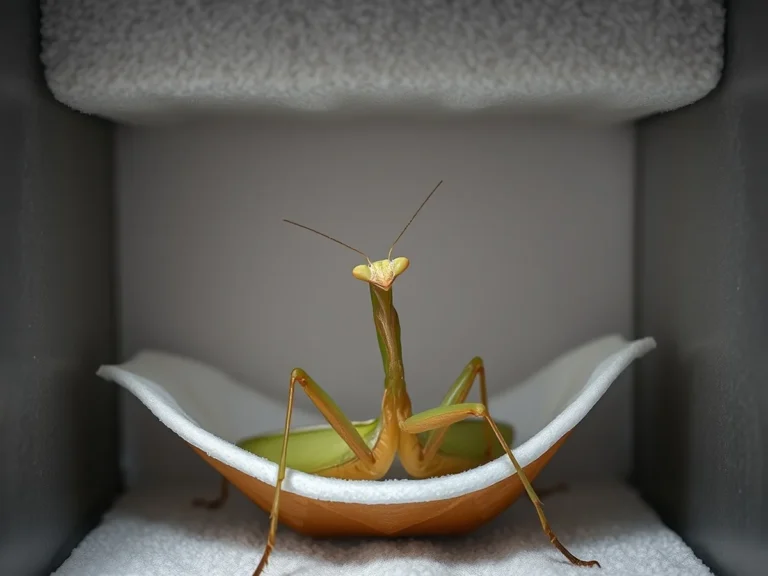
Your Hymenopus coronatus needs a safe space to hang upside down during its orchid mantis molting instar stages. A vertical enclosure with a mesh ceiling is mandatory for a successful shed.
The mesh allows the nymph to grip firmly with its tarsus while it exits the old exoskeleton. Use soft fiberglass mesh rather than metal to avoid damaging delicate legs. Ensure the ceiling has at least 6 inches of clear vertical space below it so the mantis can hang fully extended without touching the floor.
You must remove all crickets from the enclosure the moment you notice pre-molt signs. A mantis is incredibly vulnerable during ecdysis and cannot defend itself against hungry prey. Crickets often bite the soft, hardening chitin of a fresh mantis, causing permanent injury or death.
Keep a dedicated molting chamber if your primary tank has too many obstacles. A simple plastic cup with a mesh lid works well for smaller instars. This prevents the mantis from falling onto hard surfaces or hitting decor while it struggles to emerge. Maintaining consistent humidity levels around 60 to 70 percent helps the old skin slip off smoothly. Avoid misting the insect directly while it hangs, as extra weight can lead to a malformed molt.
Humidity and Molting Environment
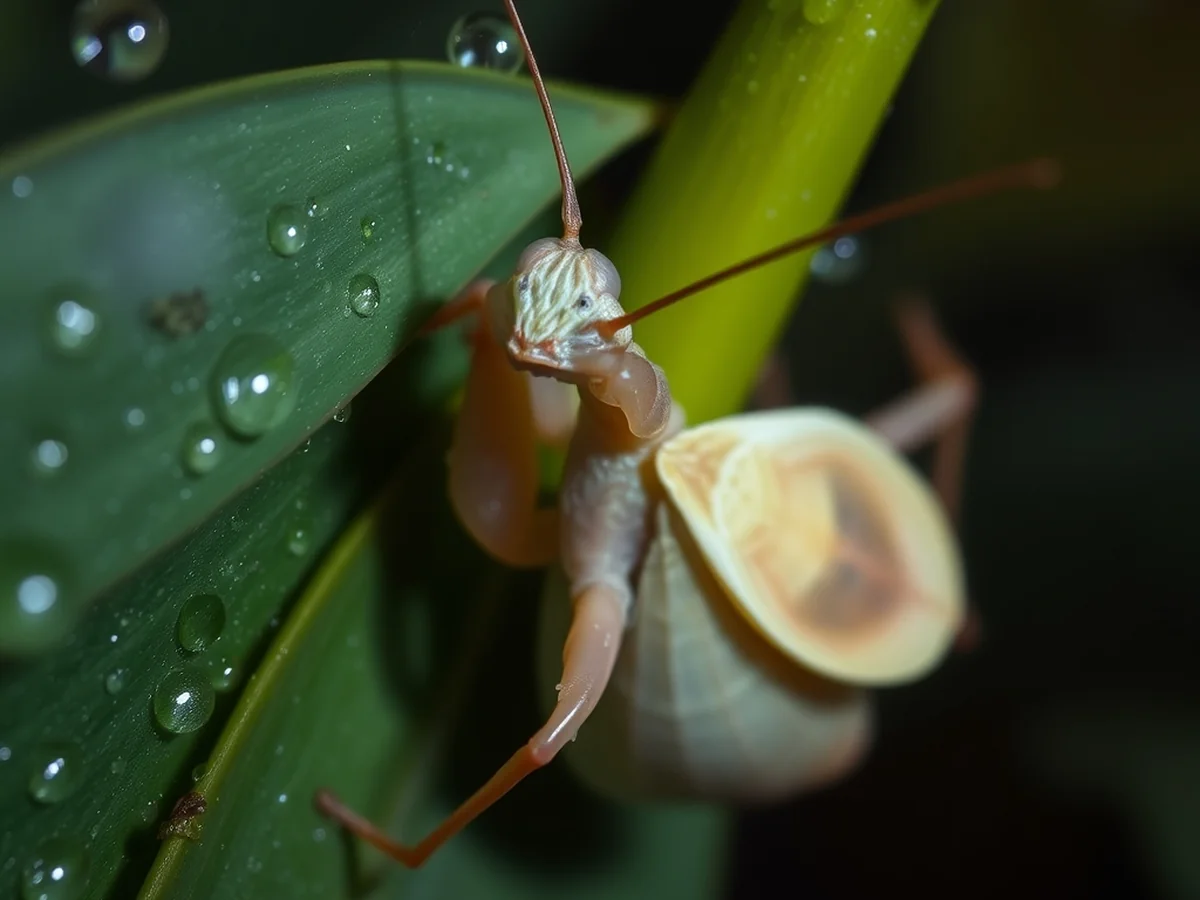
High humidity is essential during the 24-hour window when your Hymenopus coronatus sheds its exoskeleton. You must maintain humidity levels between 60% and 80% to ensure the old skin remains soft and pliable. If the air is too dry, the nymph may struggle to pull its legs free, which often leads to a malformed molt.
I suggest using a fine misting bottle to increase moisture, but avoid spraying the mantis directly. Focus on the walls of the enclosure to create a safe microclimate. Proper moisture prevents the new skin from sticking, allowing the mantis to emerge successfully through the various orchid mantis molting instar stages.
Temperature significantly impacts how quickly the chitin hardens after the insect exits its old shell. A room temperature around 78 degrees Fahrenheit is ideal for this transition. Warmer air speeds up the hardening process, which helps the mantis regain its balance and grip on the mesh or branch inside its molting chamber. If the temperature stays too low, the exoskeleton remains soft for too long, leaving the mantis vulnerable to injury or falls.
Keep the environment quiet and undisturbed during this time. Any stress can cause the nymph to move prematurely, resulting in a damaged tarsus or bent antenna. Focus on stability to support healthy nymph development.
Sexual Dimorphism Signs
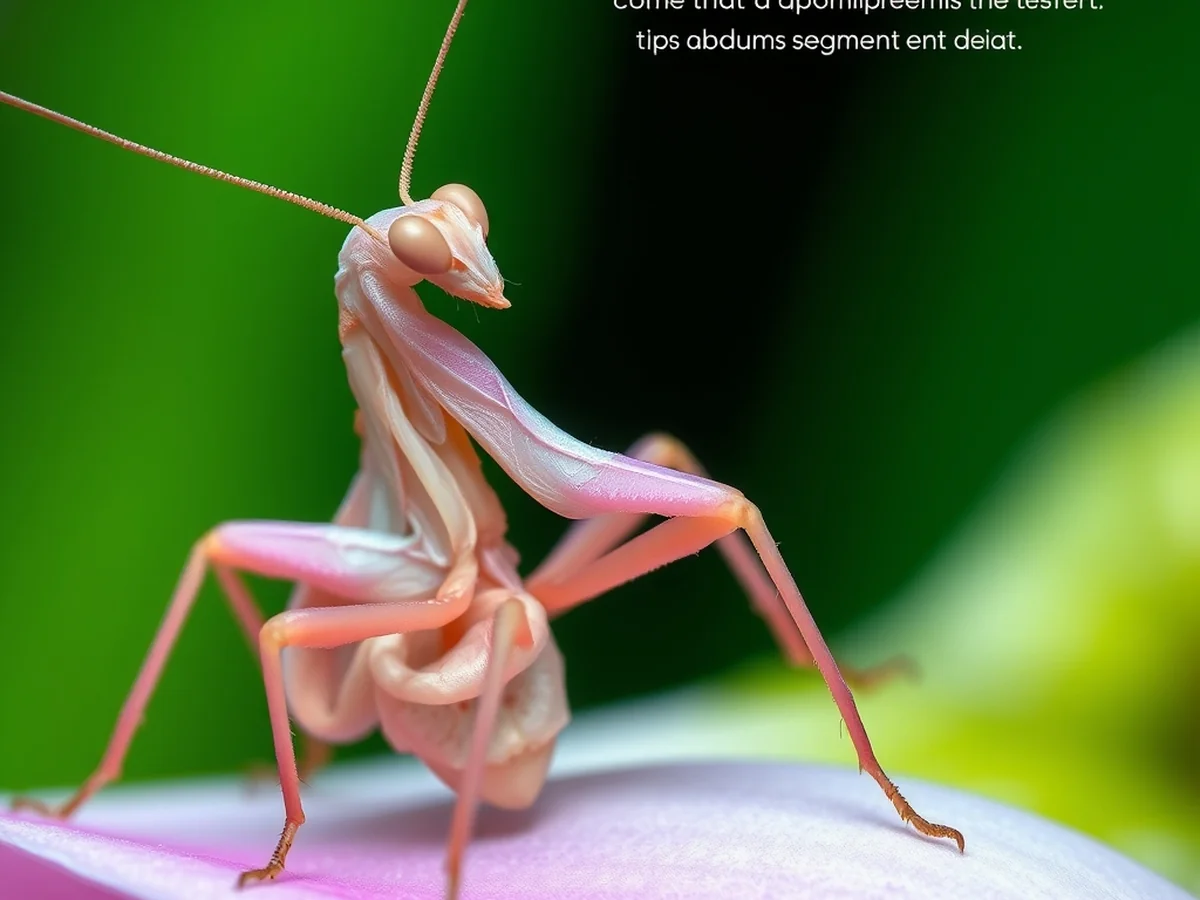
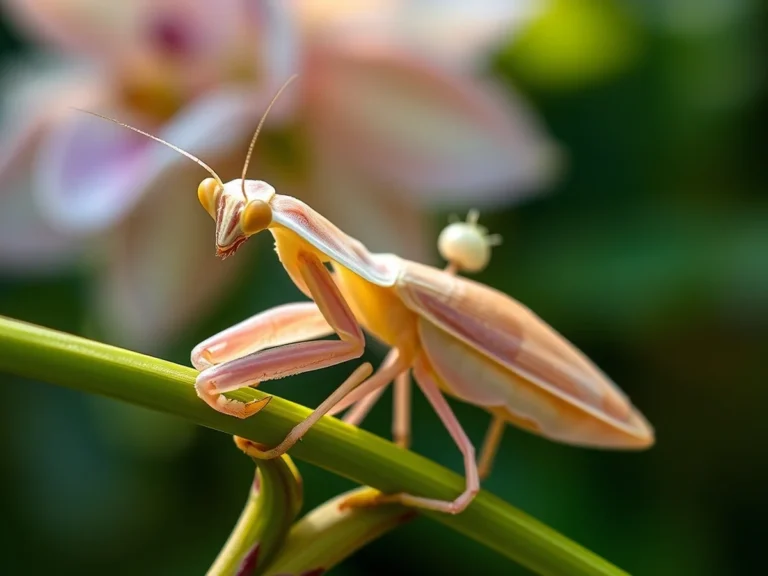
You can identify the sex of a Hymenopus coronatus by looking at the abdominal segment count starting around the L4 stage. Females typically show six segments on the underside of the abdomen, while males display eight. This difference becomes more obvious as you track your orchid mantis molting instar stages throughout the growth cycle.
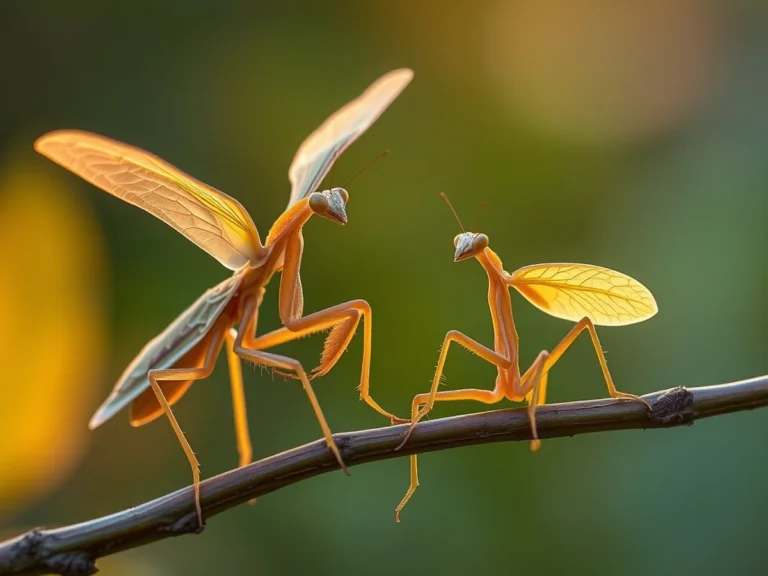
Size provides another clear indicator of gender. Females grow significantly larger and bulkier than their male counterparts. By the time a female reaches L5, she is often twice the weight of a male at the same developmental point. You will notice the female wing bud development starts later but eventually covers more of the abdomen than the male’s wing buds do.
Male mantids mature much faster and usually reach their final adult form after only five or six molts. Females take longer to reach maturity, often requiring seven or eight molts before they are fully grown. You might see the male’s antenna size increase noticeably, as males have longer, thicker antennae compared to females of the same age. Monitoring these physical markers helps you prepare for the specific needs of your nymph. Keep a close eye on these traits during each ecdysis event to confirm your mantis is developing as expected.
Post-Molt Care
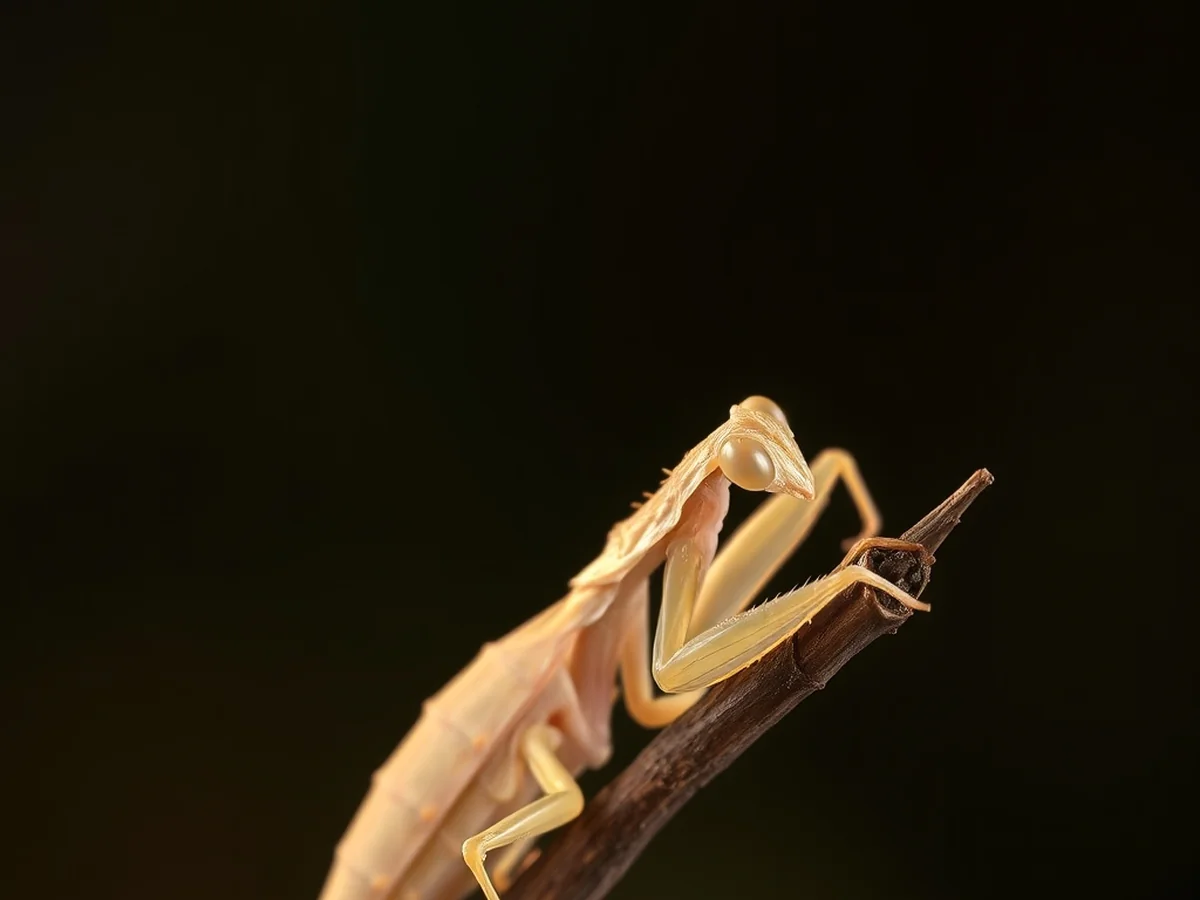
server se jawab nahi mila
Common Molting Questions
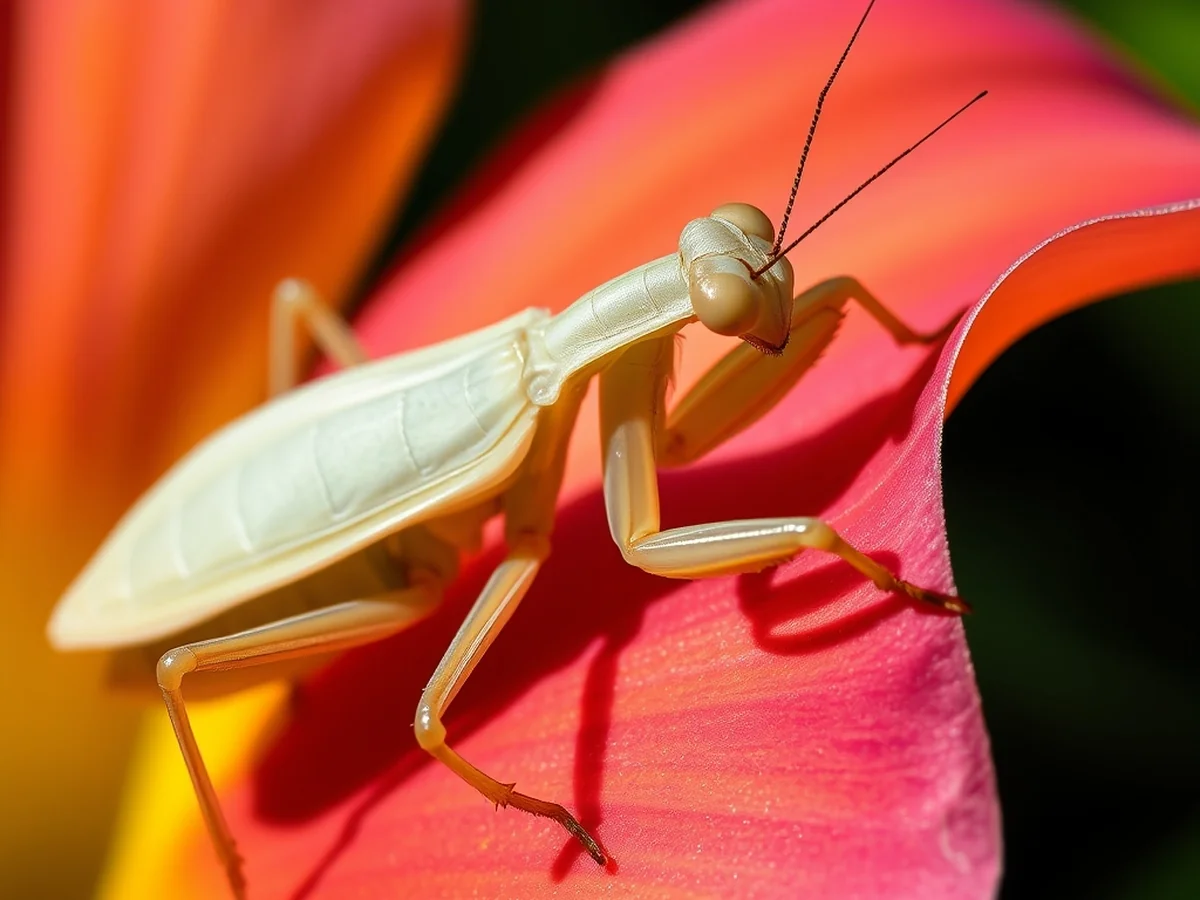
You should wait at least 24 hours before feeding your mantis after it sheds its skin. The exoskeleton remains soft during this time, and forcing food can damage the delicate mouthparts. If you offer a cricket too early, the mantis might struggle to process it.
Feeding delays often happen naturally because your pet stops eating up to three days before the process starts. This fasting period is a key part of the orchid mantis molting instar stages as the insect prepares to exit its old shell. Do not worry if your nymph ignores food during this phase.
If you notice a malformed molt, the mantis might have bent limbs or a crumpled wing. This often results from low humidity levels. Keep the enclosure around 60 to 80 percent humidity to help the insect slide out of its old skin cleanly. If the mantis falls during the process, it may never recover its ability to grip surfaces with its tarsus.
Regarding adult lifespans, male Hymenopus coronatus usually live about 5 to 6 months total. Females grow larger and live significantly longer, often reaching 8 to 9 months. Keep a close eye on the abdominal segment growth to track your specific progression toward adulthood.
Monitoring Growth Progress
Watching your orchid mantis molting instar stages requires careful observation to ensure your nymph stays healthy. You should check your pet daily for signs like a swollen abdomen or lack of appetite. These behaviors indicate that the insect is preparing to shed its old exoskeleton.
In my experience, keeping a written log of these changes helps you predict the next cycle. You might notice your mantis stops hunting for fruit flies about 24 hours before the process begins. This fasting period is a normal part of its development. Please resist the urge to feed it during this time.
Patience remains your best tool when managing Hymenopus coronatus development. Nature takes time, and rushing the process often leads to stress. A typical nymph needs roughly 10 to 14 days between molts during its early life. If your mantis hangs upside down from the mesh ceiling of its terrestrial enclosure, leave it completely alone. Do not open the lid or mist the tank while the mantis is actively shedding. Any vibration or humidity shift can cause a malformed molt. Once the new shell finishes hardening, your mantis will be ready to hunt again. Trust the natural flow of its growth, as interference is the most common cause of injury.
For another perspective, this detailed piece on Orchid Mantis Molting Stages and Instars is worth a read.
You might also like: Male vs Female Orchid Mantis: How to Tell Them Apart